Business
4 Essential Practices for Choosing a SOC Solution Provider
Published March 23, 2026
Introduction
Selecting the appropriate Security Operations Center (SOC) solution provider is a pivotal decision that can profoundly influence an organization’s cybersecurity posture. Given the escalating complexity of cyber threats and the stringent compliance requirements, organizations must adeptly navigate a landscape replete with both potential pitfalls and opportunities. This article delineates essential practices for choosing a SOC provider, offering insights into how organizations can effectively align their specific security needs with the expertise and capabilities of prospective vendors.
Furthermore, what challenges may emerge when attempting to balance technological advancements with the necessity for ongoing support and training in this continually evolving field?
Identify Organizational Security Needs and Compliance Requirements
Before selecting a SOC solution provider, companies must thoroughly evaluate their security needs and compliance requirements. This process includes identifying critical assets, understanding potential threats, and assessing vulnerabilities. Additionally, organizations should consider regulations, such as GDPR for data protection or HIPAA for healthcare, which impose certain obligations.
Actionable Steps:
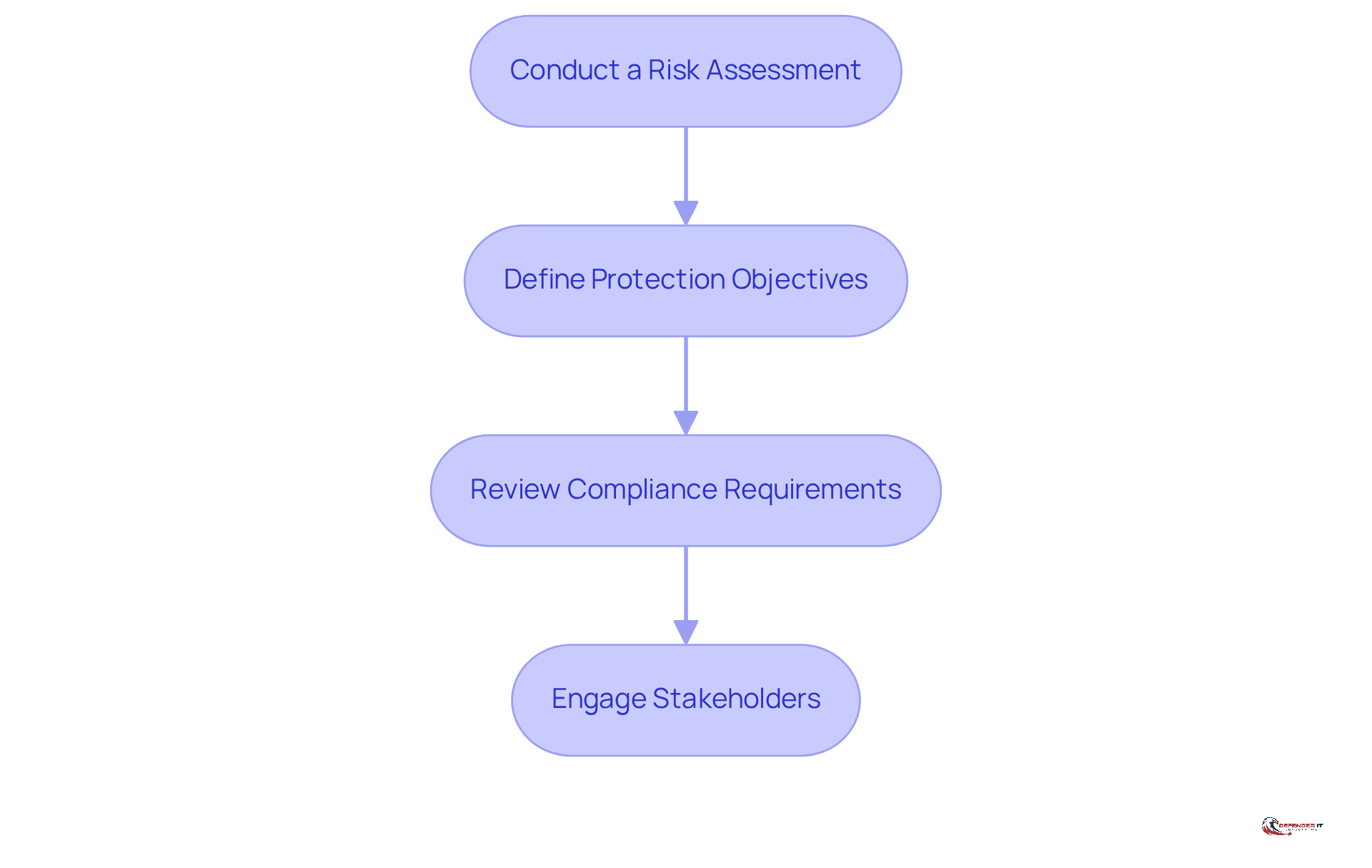
- Conduct a risk assessment: Identify vulnerabilities and potential threats to your organization’s assets.
- Define security objectives: Establish clear protection goals that align with business objectives.
- Review compliance standards: Understand the relevant regulations to your industry to ensure the SOC vendor can meet these standards.
- Engage stakeholders: Involve key stakeholders from IT, legal, and compliance teams to gather comprehensive insights into security needs.
By clearly defining these elements, organizations can ensure that the SOC solution provider they choose is well-equipped to address their specific security and compliance needs.
Evaluate Provider Expertise and Industry Experience
When selecting a SOC solution provider, it is crucial to assess their expertise and experience within your industry. A vendor with a robust background in your specific sector will have a deeper understanding of the unique challenges and regulatory requirements you encounter. For example, 22% of organizations conduct risk assessments, underscoring the necessity of partnering with a SOC entity capable of effectively managing security incidents.
Actionable Steps:
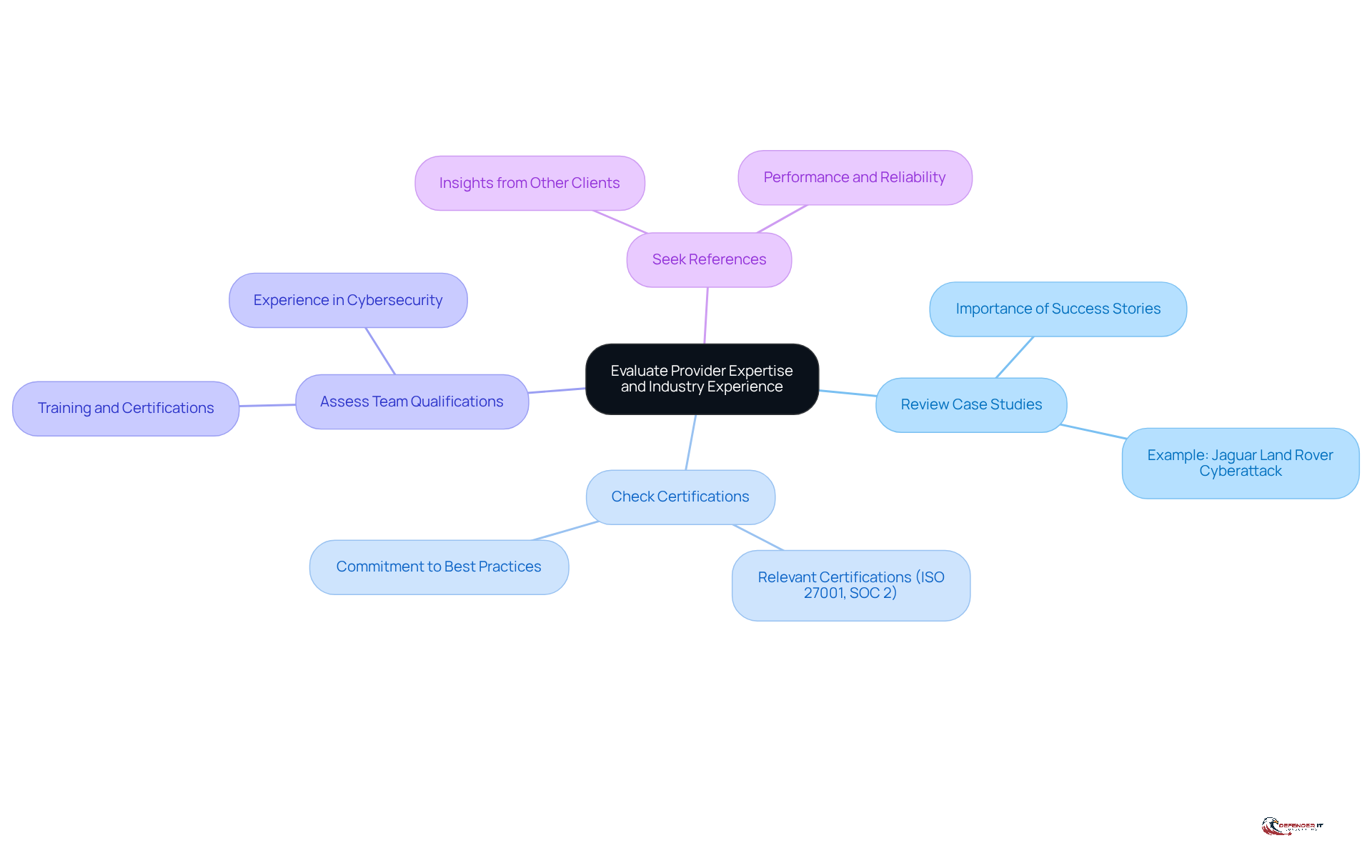
- Review Case Studies: Investigate documented success stories that illustrate the organization’s ability to handle challenges related to cybersecurity. The recent breach serves as a stark reminder of the real-world consequences of insufficient security measures.
- Check Certifications: Verify that the vendor possesses relevant certifications, which reflect a commitment to best practices in information security.
- Assess Team Qualifications: Examine the qualifications and experience of the SOC team, including their training and certifications in cybersecurity.
- Seek References: Request references from other clients within your industry to gain insights into the vendor’s performance and reliability.
By focusing on these elements, organizations can select a SOC partner that not only understands their specific needs but also demonstrates a proven ability to deliver effective security solutions. As Evan Rowse, a GRC Subject Matter Expert, notes, “66% of organizations anticipate AI to have the greatest influence on cyber security in the upcoming year,” highlighting the importance of a vendor’s adaptability to emerging technologies.
Assess Technological Capabilities and Methodologies of SOC Solutions
The technological capabilities of a entity are crucial for effectively detecting and responding to threats. Organizations must evaluate the tools and methodologies employed by their suppliers to ensure alignment with their specific security requirements.
Actionable Steps:
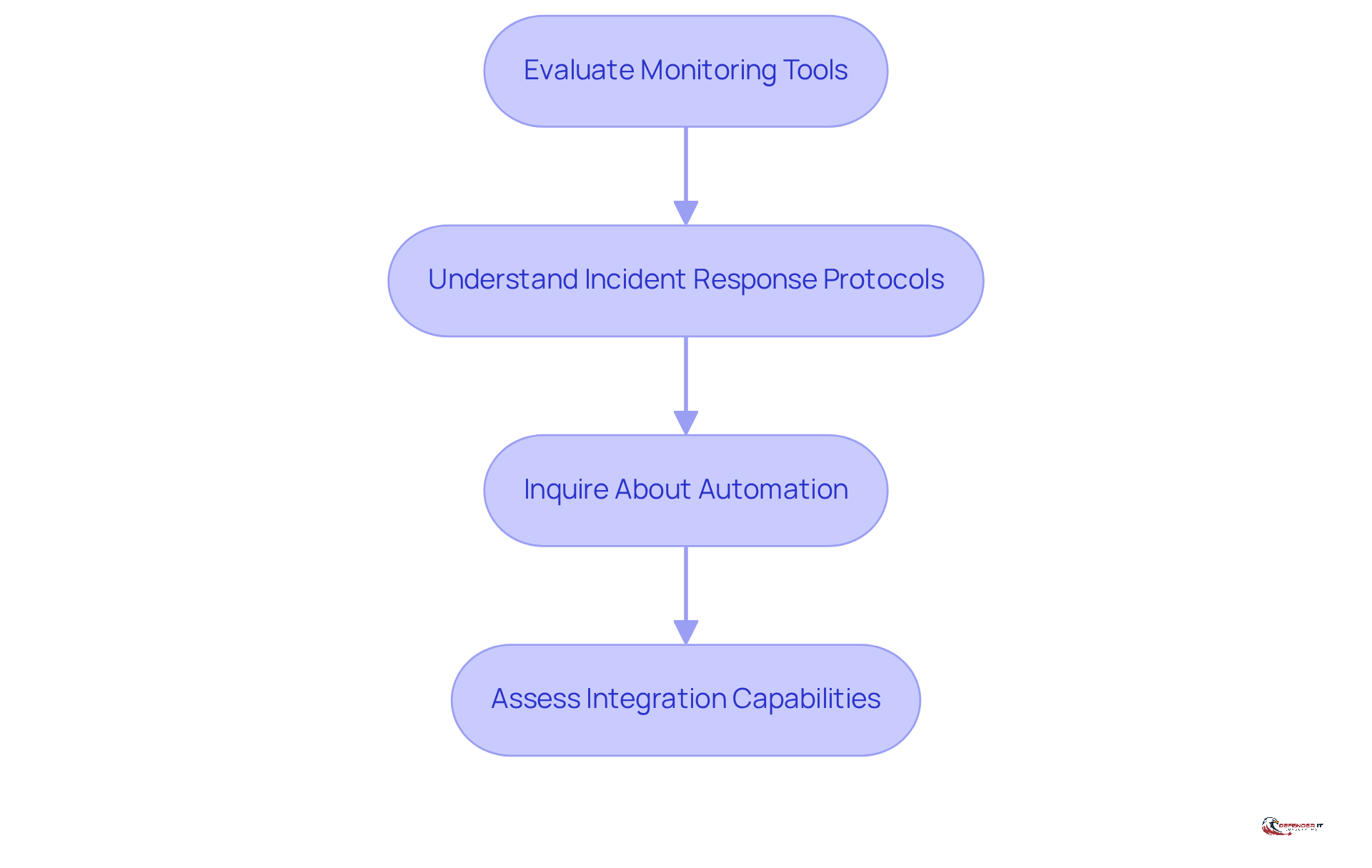
- Evaluate Monitoring Tools: Assess the supplier’s implementation of and other monitoring tools that enable real-time threat detection.
- Understand [Incident Response Protocols](https://defenderit.consulting): Review the organization’s to confirm they are robust and effective.
- Inquire About Automation: Investigate how the supplier leverages to enhance times.
- Assess the to ensure that it can seamlessly integrate with your existing security infrastructure and tools.
By thoroughly evaluating these technological aspects, organizations can select a capable SOC solution provider that is well-equipped to address the evolving landscape of cyber threats.
Ensure Ongoing Support and Training for Continuous Improvement
Choosing a SOC solution provider involves more than just the initial setup; it requires a commitment to continuous support and training to effectively navigate the ever-evolving landscape. Ongoing enhancement is crucial for maintaining a robust defense posture.
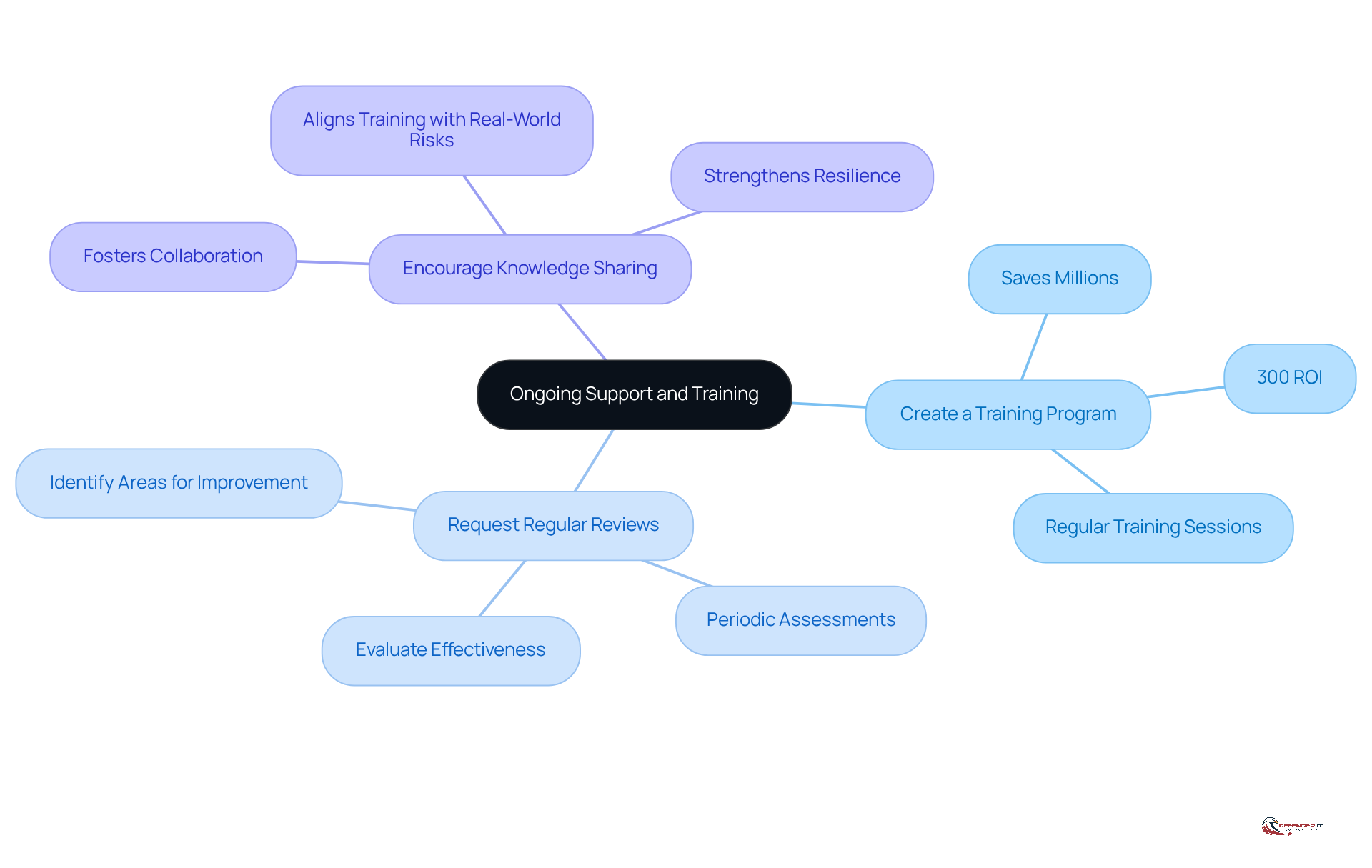
- Create a Training Program: It is essential for the SOC vendor to conduct regular training sessions for internal teams, ensuring they stay informed about the latest threats and safety practices. Organizations that invest in training can save millions, with some achieving returns on investment of up to 300%, thereby enhancing their overall security posture.
- Request Regular Reviews: Implementing regular reviews with the SOC partner is vital to evaluate effectiveness and identify areas for improvement. Research shows that entities that segment training by risk profile report quicker advancements in phishing simulation results.
- Encourage Knowledge Sharing: Fostering a culture of knowledge sharing between your organization and the SOC partner enhances collective awareness. This approach not only strengthens resilience but also improves overall security, moving beyond generic compliance training.
It is imperative that the SOC solution provider employs best practices to inform ongoing protection strategies and adapt to emerging threats. Organizations utilizing AI-driven protection and continuous training have reported savings of up to $1.9 million per incident, highlighting the financial benefits of proactive measures.
By prioritizing ongoing support and training, organizations can significantly bolster their resilience against cyber threats, ensuring that their security measures remain effective and responsive over time.
Conclusion
Selecting the appropriate Security Operations Center (SOC) solution provider is a pivotal decision that can profoundly impact an organization’s cybersecurity posture. By thoroughly assessing security needs, evaluating provider expertise, analyzing technological capabilities, and ensuring ongoing support and training, organizations can make informed choices that align with their specific requirements and compliance obligations.
This article underscores the necessity of a comprehensive evaluation process, highlighting actionable steps such as:
- Conducting risk assessments
- Reviewing certifications
- Examining incident response protocols
Each of these practices contributes to a holistic understanding of what a potential SOC partner can deliver, ensuring they are not only equipped to address current threats but also adaptable to future challenges in the cybersecurity landscape.
Ultimately, investing time and resources in selecting a SOC solution provider transcends immediate security needs; it fosters a long-term partnership that enhances resilience against evolving cyber threats. Organizations are urged to prioritize ongoing support and continuous improvement, recognizing that a proactive approach to cybersecurity is essential for safeguarding their assets and maintaining compliance in an increasingly complex regulatory environment.
Frequently Asked Questions
What should organizations do before selecting a SOC solution provider?
Organizations must evaluate their protection needs and compliance requirements by identifying critical assets, understanding potential threats, and assessing existing security measures.
What are the key steps in evaluating security needs?
The key steps include conducting a risk assessment, defining protection objectives, reviewing compliance requirements, and engaging stakeholders from IT, legal, and compliance teams.
Why is it important to conduct a risk assessment?
Conducting a risk assessment helps identify vulnerabilities and potential threats to the organization’s assets, allowing for better-informed security decisions.
How can organizations define their protection objectives?
Organizations should establish clear protection goals that align with their overall business objectives to ensure effective security measures.
What compliance requirements should organizations consider?
Organizations should understand industry-specific regulations, such as GDPR for data protection or HIPAA for healthcare, to ensure the SOC vendor can meet these compliance standards.
Who should be involved in the evaluation process?
Key stakeholders from IT, legal, and compliance teams should be engaged to gather comprehensive insights into the organization’s protection needs.
How does clearly defining security and compliance needs benefit organizations?
By clearly defining these elements, organizations can ensure that the SOC solution provider they choose is well-equipped to address their specific security and compliance needs.
List of Sources
- Identify Organizational Security Needs and Compliance Requirements
- Cyber Insights 2026: Regulations and the Tangled Mess of Compliance Requirements (https://securityweek.com/cyber-insights-2026-regulations-and-the-tangled-mess-of-compliance-requirements)
- Gartner Identifies the Top Cybersecurity Trends for 2026 (https://gartner.com/en/newsroom/press-releases/2026-02-05-gartner-identifies-the-top-cybersecurity-trends-for-2026)
- Understanding IT Compliance: Key Regulations for 2026 | Prime Secured (https://primesecured.com/it-compliance-key-regulations-2026)
- ittech-pulse.com (https://ittech-pulse.com/our-tech-insights/cybersecurity-compliance-in-2026-navigating-global-regulations-without-slowing-innovation)
- 205 Cybersecurity Stats and Facts for 2026 (https://vikingcloud.com/blog/cybersecurity-statistics)
- Evaluate Provider Expertise and Industry Experience
- Sophos finds that manufacturing faces growing ransomware threat due to security gaps, lack of expertise – Industrial Cyber (https://industrialcyber.co/manufacturing/sophos-finds-that-manufacturing-faces-growing-ransomware-threat-due-to-security-gaps-lack-of-expertise)
- Manufacturers fortify cyber defenses in response to dramatic surge in attacks (https://cybersecuritydive.com/news/manufacturing-sector-cyber-threats-collaboration-ransomware/810930)
- 110 security and compliance statistics for tech leaders to know in 2025 (https://vanta.com/resources/compliance-statistics)
- 280+ Cybersecurity Compliance Statistics for 2026 (https://brightdefense.com/resources/cybersecurity-compliance-statistics)
- 130+ Compliance Statistics & Trends to Know for 2026 (https://secureframe.com/blog/compliance-statistics)
- Ensure Ongoing Support and Training for Continuous Improvement
- Benefits of Security Awareness Training for Organizations (2026) (https://symbolsecurity.com/blog/benefits-of-security-awareness-training-for-organizations)
- Security Awareness Training Statistics 2025 [100+ Studies] | Brightside AI Blog (https://brside.com/blog/security-awareness-training-statistics-2025-100-studies)
- Why Cybersecurity Training is the Smartest Investment for Organization in 2026 (https://uscsinstitute.org/cybersecurity-insights/blog/why-cybersecurity-training-is-the-smartest-investment-for-organization-in-2026)
- 2025 Security Awareness Report: Why Training Works and Where Organizations Still Fall Short | Fortinet Blog (https://fortinet.com/blog/industry-trends/2025-security-awareness-report-why-training-works-and-where-organizations-still-fall-short)
- Fortinet Report Finds Nearly 70% of Organizations Say Their Employees Lack Fundamental Security Awareness (https://fortinet.com/corporate/about-us/newsroom/press-releases/2024/fortinet-report-finds-70-percent-of-organizations-lack-fundamental-security-awareness-for-employees)