Business
4 Best Practices for Your Dark Web Monitoring Platform
Published April 5, 2026
Introduction
The dark web, often referred to as the hidden corners of the internet, presents significant risks to organizations, particularly those operating within regulated industries. As cyber threats continue to evolve and the stakes increase, it becomes essential for organizations to understand effective dark web monitoring practices to safeguard sensitive information.
Organizations can implement various strategies to detect potential breaches and integrate these insights into their broader cybersecurity frameworks. By exploring best practices for dark web monitoring platforms, we can identify the critical steps necessary to enhance security posture and ensure compliance in an increasingly complex digital landscape.
Understand Dark Web Monitoring Fundamentals
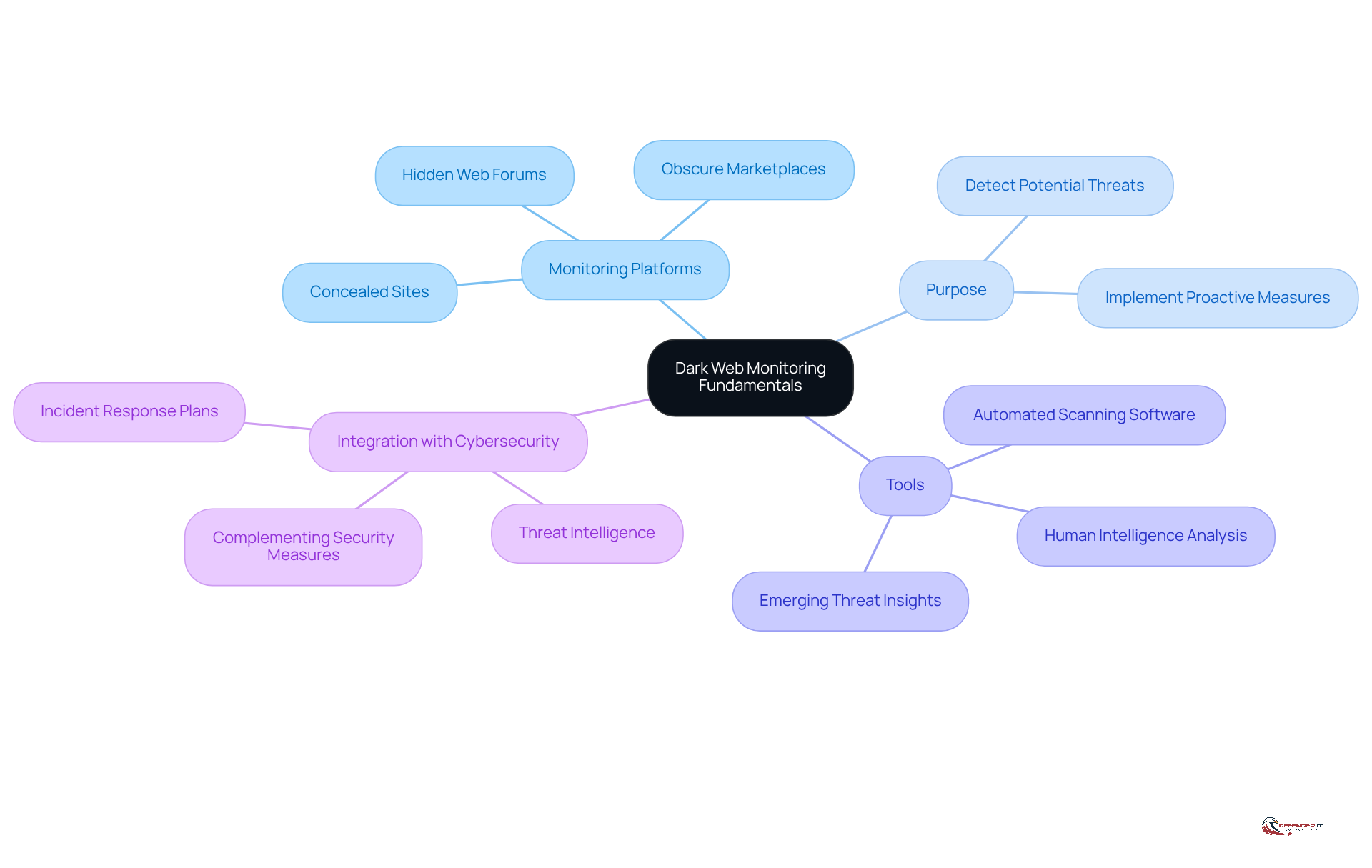
A dark web monitoring platform entails the ongoing surveillance of concealed areas of the internet where illicit activities take place, such as the sale of stolen data and personal information. Organizations must understand the following key concepts:
- This practice involves utilizing a to monitor hidden web forums, marketplaces, and other obscure sites to identify compromised information pertinent to a company.
- Purpose: The primary objective is to detect potential threats before they escalate into significant breaches, enabling organizations to implement proactive measures.
- The use of a dark web monitoring platform is essential for security. A variety of instruments are available for monitoring the hidden web through a dark web monitoring platform, including automated scanning software and human intelligence analysis, which can provide insights into emerging threats.
- Integration with Cybersecurity Frameworks: Effective deep web monitoring should be integrated into a broader cybersecurity strategy, complementing other security measures such as threat intelligence and incident response plans.
By understanding these fundamentals, organizations can better prepare for the complexities of web threats and enhance their overall security posture.
Identify Challenges in Regulated Industries
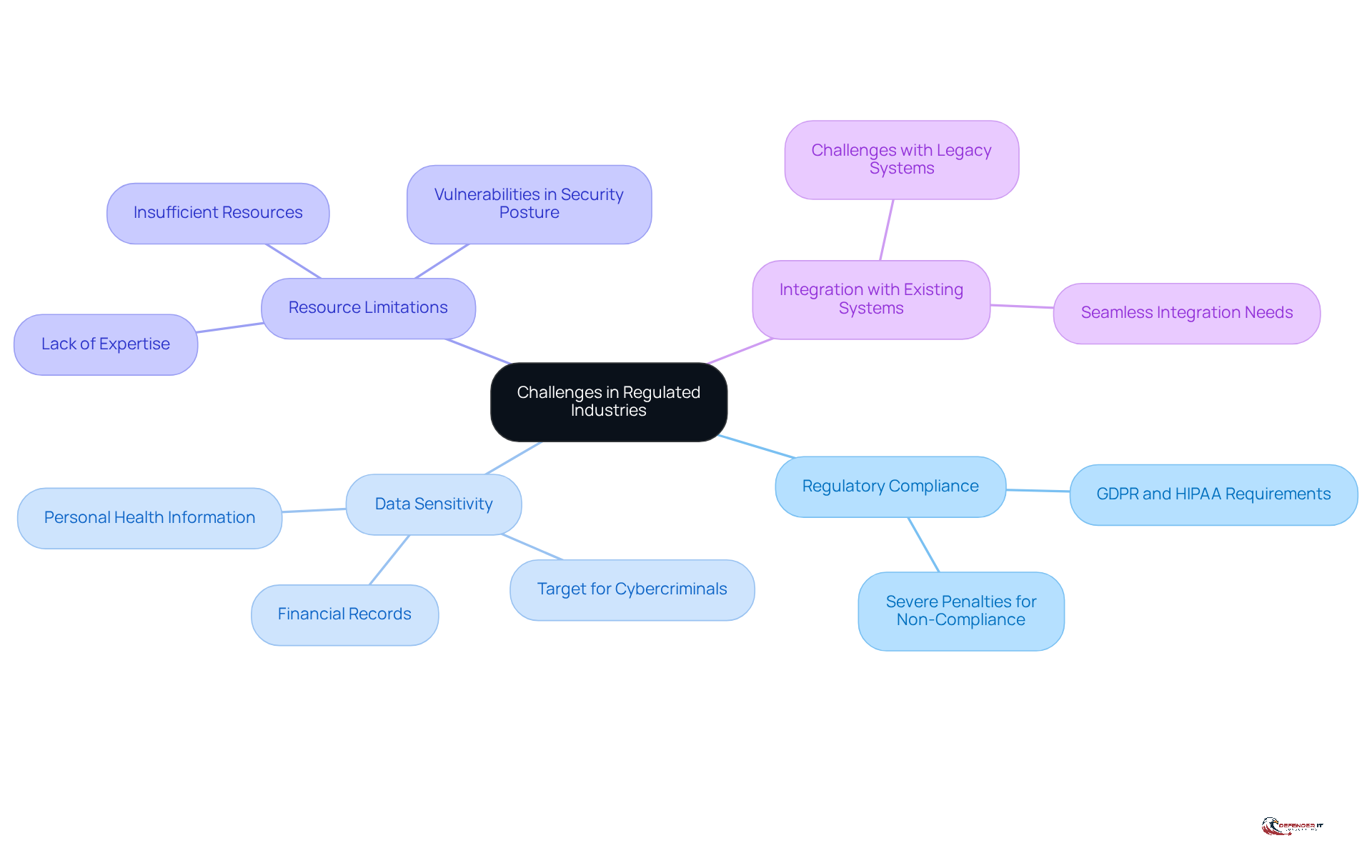
Organizations in regulated industries, such as finance and healthcare, encounter distinct challenges when using a dark web monitoring platform.
- Regulatory Compliance: These entities must adhere to stringent regulations, such as GDPR and HIPAA, which dictate the handling and protection of sensitive data. Non-compliance can lead to severe penalties.
- Data Sensitivity: The nature of the data managed in these sectors, including personal health information and financial records, makes them prime targets for cybercriminals. This reality necessitates .
- Resource limitations may cause many regulated entities to lack the necessary resources or expertise to effectively use a dark web monitoring platform, potentially resulting in vulnerabilities in their security posture.
- Integration with Existing Systems: Ensuring that underground web surveillance tools seamlessly integrate with current security frameworks can be challenging, particularly within legacy systems.
By recognizing these challenges, organizations can develop targeted strategies that address their specific needs and enhance their resilience against web-based threats.
Select and Integrate Effective Monitoring Solutions
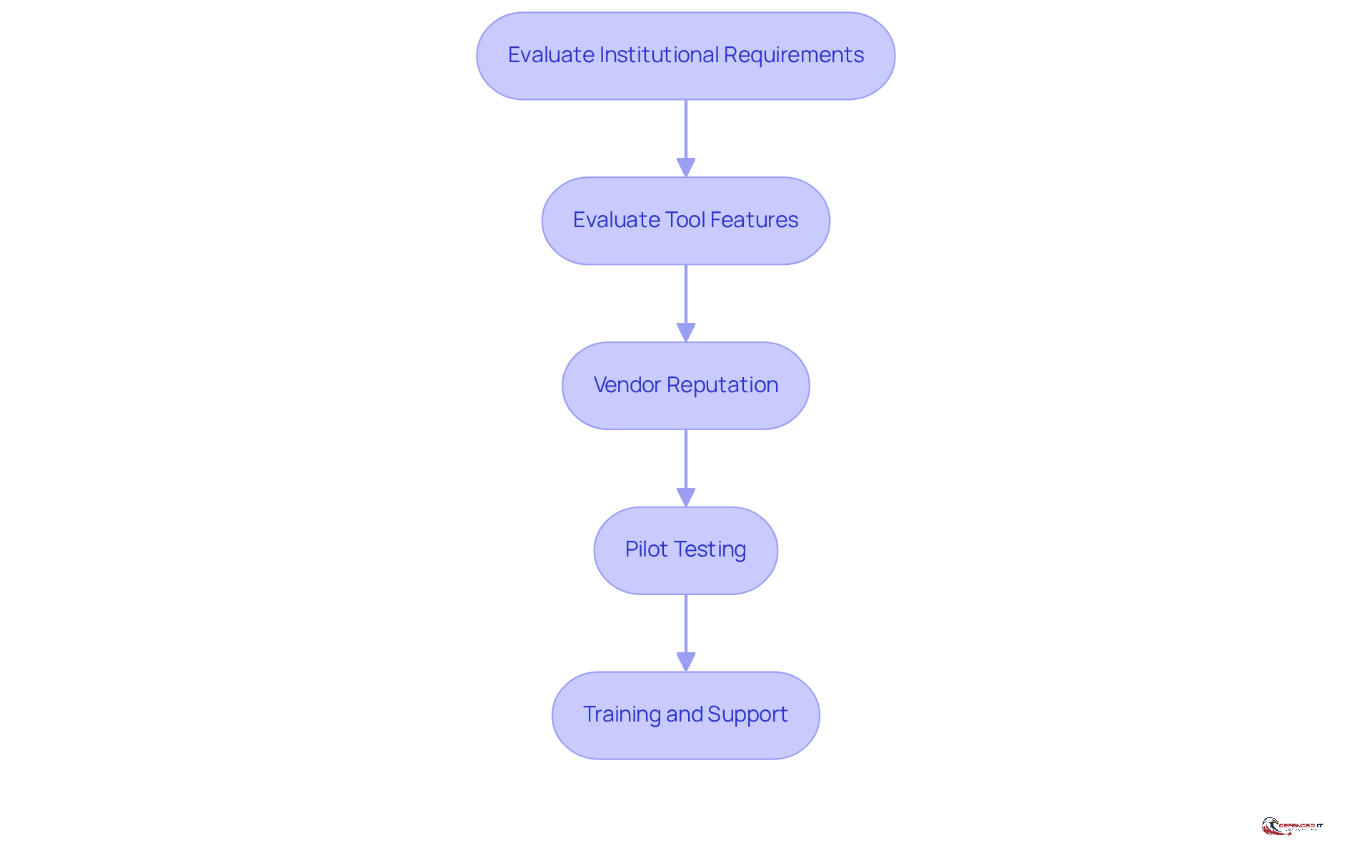
Selecting the right dark web monitoring solution necessitates a strategic approach that encompasses several essential steps:
-
Evaluate Institutional Requirements: Begin by determining the specific information and resources that require oversight, taking into account the entity’s risk profile and compliance obligations. As highlighted by Cheng Lim, businesses must demonstrate a proactive stance in managing [cyber risk](https://diligent.com/resources/blog/top-20-quotes-cyber-risk-virtual-summit), making this assessment critical.
-
Evaluate Tool Features: Identify tools that offer comprehensive coverage, real-time alerts, and seamless integration with existing security systems. Key features to consider include:
- Automated scanning capabilities to enhance efficiency.
- Customizable alert settings to tailor notifications to your specific needs.
- Robust reporting and analytics features that facilitate informed decision-making. The escalating scale and sophistication of ransomware attacks underscore the urgency of these features.
-
Vendor Reputation: Conduct thorough research on potential vendors to assess their reliability in covert web surveillance and cybersecurity. Customer reviews and case studies can provide valuable insights into their effectiveness. For instance, organizations that have successfully implemented a dark web monitoring platform often report significant improvements in their security posture.
-
Pilot Testing: Before full deployment, implement a pilot test of the selected solution. This allows for an evaluation of its performance and compatibility with existing systems, ensuring that the solution aligns with the organization’s specific requirements.
-
Training and Support: Confirm that the vendor offers , enabling your team to fully leverage the oversight tools. Collaboration between General Counsels and CISOs is essential in this context, as it integrates legal and technical perspectives to enhance the effectiveness of the oversight solution.
By adhering to these best practices, businesses can effectively select and implement a dark web monitoring platform that aligns with their security objectives and complies with regulatory standards.
Establish Continuous Monitoring and Improvement Practices
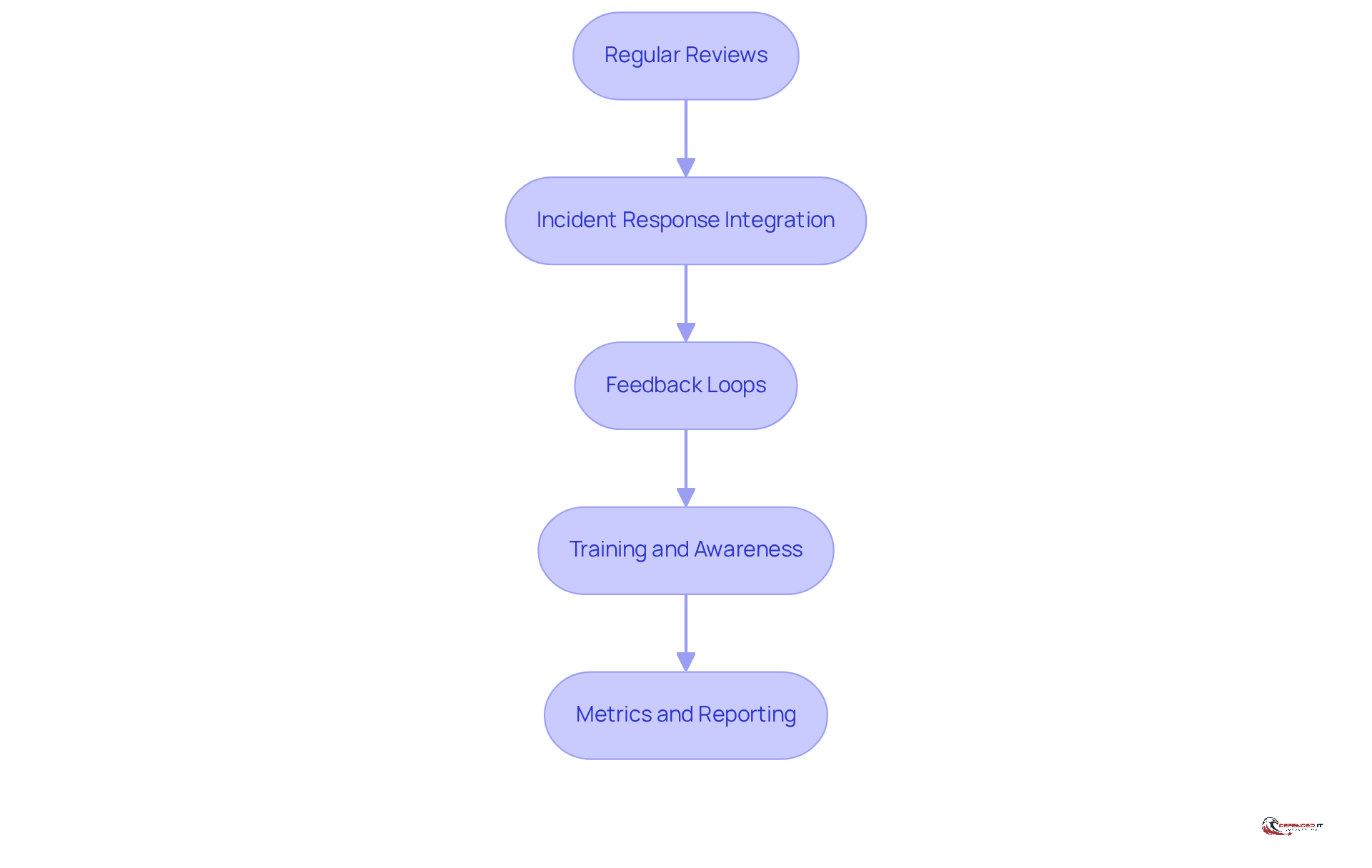
To enhance dark web monitoring strategies, organizations must adopt continuous monitoring and improvement practices:
- Regular Reviews: Organizations should schedule periodic evaluations of oversight tools and processes to assess their effectiveness and adapt to emerging threats. This proactive approach is crucial, as entities encounter numerous unknown services and internet-facing endpoints that a [dark web monitoring platform](https://slcyber.io/blog/how-continuous-threat-exposure-management-is-evolving-in-2026) can help traditional methods to identify.
- Incident Response Integration: It is essential to incorporate insights from underground web surveillance into the entity’s [incident response strategy](https://jumpcloud.com/blog/incident-response-statistics). This integration ensures that when threats are detected, swift action can be taken, significantly reducing the average breach lifecycle, which can extend to 258 days without a plan. Cybersecurity specialists emphasize that combining incident response with a dark web monitoring platform is vital for prompt threat reduction.
- Feedback Loops: Establishing feedback mechanisms allows security teams to learn from past incidents. This iterative process improves oversight strategies and enhances overall threat detection capabilities. Entities that conduct regular incident response testing can lower breach expenses by nearly $1.49 million. For example, organizations utilizing Continuous Threat Exposure Management (CTEM) have reported a threefold decrease in breach incidents.
- Training and Awareness: Conducting is essential to keep them informed about the latest threats and best practices in online surveillance. Organizations that train employees quarterly can reduce security incidents by 60%, underscoring the importance of a well-informed workforce.
- Metrics and Reporting: Establishing key performance indicators (KPIs) is necessary to assess the effectiveness of underground web surveillance efforts. Regular reporting of findings to stakeholders fosters transparency and accountability, ensuring that cybersecurity remains a priority at all organizational levels.
By implementing these continuous monitoring and improvement practices, organizations can bolster their resilience against dark web threats through a dark web monitoring platform and maintain a robust cybersecurity posture.
Conclusion
Implementing a robust dark web monitoring strategy is essential for organizations aiming to safeguard their sensitive information against emerging cyber threats. By grasping the fundamentals of dark web monitoring, identifying industry-specific challenges, selecting appropriate solutions, and committing to continuous improvement practices, businesses can significantly bolster their cybersecurity posture.
The article highlights the necessity of proactive measures, such as:
- Integrating dark web monitoring into broader cybersecurity frameworks
- Evaluating the features of monitoring tools
- Ensuring compliance with regulatory standards
Furthermore, organizations must acknowledge the unique challenges faced by regulated industries, which necessitate tailored strategies to effectively protect sensitive data.
The importance of ongoing dark web monitoring cannot be overstated. As cyber threats continue to evolve, organizations must remain vigilant and adapt their strategies accordingly. By fostering a culture of continuous improvement and investing in effective monitoring solutions, businesses can not only mitigate risks but also strengthen their defenses against potential breaches, thereby ensuring a safer digital environment for all stakeholders involved.
Frequently Asked Questions
What is dark web monitoring?
Dark web monitoring involves the ongoing surveillance of concealed areas of the internet where illicit activities occur, such as the sale of stolen data and personal information.
What is the primary purpose of using a dark web monitoring platform?
The primary purpose is to detect potential threats before they escalate into significant breaches, allowing organizations to implement proactive measures.
What tools are typically used in dark web monitoring?
Tools for dark web monitoring include automated scanning software and human intelligence analysis, which help provide insights into emerging threats.
How should dark web monitoring be integrated into an organization’s cybersecurity strategy?
Effective dark web monitoring should complement other security measures, such as threat intelligence and incident response plans, as part of a broader cybersecurity strategy.
Why is understanding dark web monitoring fundamentals important for organizations?
Understanding these fundamentals helps organizations better prepare for the complexities of web threats and enhances their overall security posture.
List of Sources
- Understand Dark Web Monitoring Fundamentals
- Dark web statistics & trends for 2025 (https://preyproject.com/blog/dark-web-statistics-trends)
- Topic: The dark web (https://statista.com/topics/11491/dark-web?srsltid=AfmBOoqZOPiANcmB8M7xWzeFyGGHVH\_c3b1R0oJ2Lwq4JNvr\_1-5CYAC)
- Future of Dark Web Monitoring in 2026 and Beyond (https://cybernx.com/future-of-dark-web-monitoring)
- Annual Dark Web Report 2025 (https://socradar.io/blog/annual-dark-web-report-2025)
- 39 Eye-Opening Dark Web Statistics for 2025 (https://pandasecurity.com/en/mediacenter/dark-web-statistics)
- Identify Challenges in Regulated Industries
- The Top 20 Expert Quotes On Cyber Risk and Security (https://surtech.co.za/20-expert-quotes-on-cyber-risk-and-security)
- Cybersecurity Quotes That Define the Future of Digital Protection (https://medium.com/@cyberpromagazine/cybersecurity-quotes-that-define-the-future-of-digital-protection-64897c07bfc6)
- The top 20 expert quotes from the Cyber Risk Virtual Summit (https://diligent.com/resources/blog/top-20-quotes-cyber-risk-virtual-summit)
- Top Cybersecurity Statistics for 2026 | Cobalt (https://cobalt.io/blog/top-cybersecurity-statistics-for-2026)
- 130+ Compliance Statistics & Trends to Know for 2026 (https://secureframe.com/blog/compliance-statistics)
- Select and Integrate Effective Monitoring Solutions
- Cybersecurity Quotes That Define the Future of Digital Protection (https://medium.com/@cyberpromagazine/cybersecurity-quotes-that-define-the-future-of-digital-protection-64897c07bfc6)
- The top 20 expert quotes from the Cyber Risk Virtual Summit (https://diligent.com/resources/blog/top-20-quotes-cyber-risk-virtual-summit)
- Dark Web Monitoring | Unmatched Coverage, Early Threat Detection (https://flare.io/dark-web-monitoring)
- Establish Continuous Monitoring and Improvement Practices
- Why Continuous Monitoring Is Crucial for Modern Cybersecurity | TPx (https://tpx.com/blog/why-continuous-monitoring-is-crucial-for-modern-cybersecurity)
- Continuous Threat Exposure Management Trends & Evolution in 2026 (https://slcyber.io/blog/how-continuous-threat-exposure-management-is-evolving-in-2026)
- The top 20 expert quotes from the Cyber Risk Virtual Summit (https://diligent.com/resources/blog/top-20-quotes-cyber-risk-virtual-summit)
- Incident Response Statistics to Know in 2025 (https://jumpcloud.com/blog/incident-response-statistics)
- Cybersecurity Quotes That Define the Future of Digital Protection (https://medium.com/@cyberpromagazine/cybersecurity-quotes-that-define-the-future-of-digital-protection-64897c07bfc6)