General
4 Best Practices for Data Center Outsourcing in Manufacturing
Published May 20, 2026
Introduction
In manufacturing, outsourcing data center operations presents both significant opportunities and formidable challenges. Organizations can achieve improved efficiency and cost savings; however, manufacturers often struggle with the intricacies of ensuring data security and compliance while selecting the right partners.
How can manufacturers navigate these complexities to safeguard their data and maintain operational integrity while reaping the benefits of outsourcing? Let’s delve into four best practices that can help manufacturing companies optimize their data center outsourcing strategies.
- Assess Security and Compliance Requirements
- Choose the Right Partners
- Implement Robust Data Management Practices
- Continuously Monitor and Evaluate Performance
Establish Robust Security Protocols
In an era where data breaches are increasingly common, protecting your data center outsourcing is more critical than ever. To achieve this, it is essential to establish strong protective measures. This includes:
- Multi-layered Security: Implement multiple layers of security, such as firewalls, intrusion detection systems, and encryption, to protect sensitive data from unauthorized access.
- Routine Safety Audits: Perform regular safety audits to identify vulnerabilities and ensure adherence to industry standards. This proactive approach helps in mitigating risks before they escalate.
- Access Control: Utilize strict access control measures, ensuring that only authorized personnel can access sensitive data and systems. Implementing role-based access can further improve protection.
- Incident Response Plan: Create a detailed incident response plan that outlines procedures for addressing breaches. This plan should include communication strategies, containment measures, and recovery processes.
Ultimately, the commitment to these security measures can be the difference between safeguarding sensitive information and facing potentially devastating breaches.

Understand Industry-Specific Compliance Requirements
Manufacturing organizations must prioritize compliance with industry-specific regulations when it comes to data center outsourcing to mitigate risks and enhance operational integrity. Key steps include:
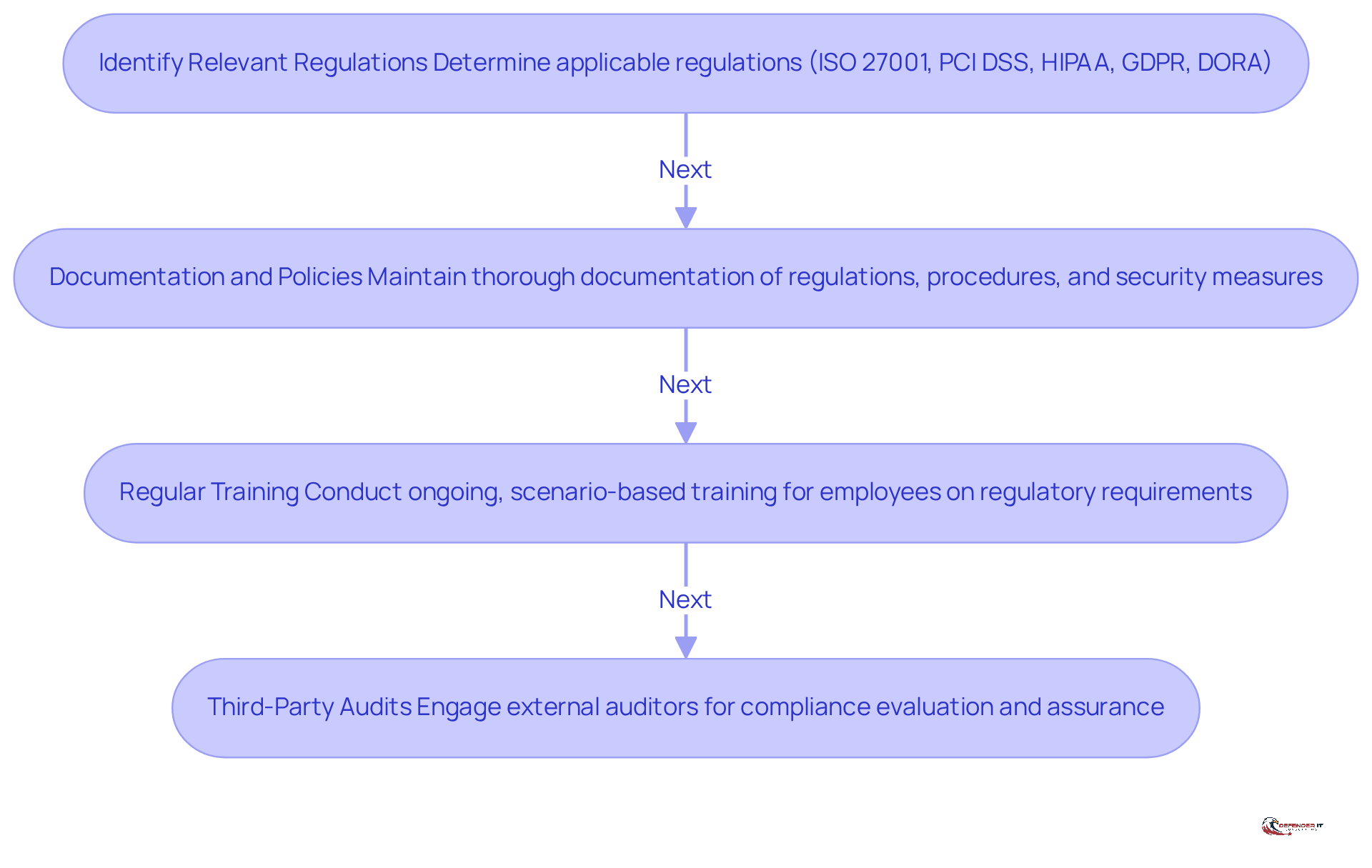
- Identify Relevant Regulations: Determine which regulations apply to your operations, such as ISO 27001, PCI DSS, or HIPAA, depending on the nature of your data and industry. The changing environment of regulations, such as GDPR and DORA, requires a proactive strategy for adherence.
- Documentation and Policies: Maintain thorough documentation of regulations and procedures. This includes data handling practices, security measures, and employee training programs. Efficient documentation not only supports adherence to regulations but also acts as a basis for trust with clients and stakeholders.
- Regular Training: Conduct ongoing training sessions for employees to ensure they understand regulatory requirements and their roles in maintaining them. This training should be scenario-based and role-specific to address the evolving regulatory challenges effectively.
- Third-Party Audits: Engage external auditors to evaluate adherence to relevant standards. This external validation can provide assurance to stakeholders and clients, helping to mitigate risks associated with non-compliance.
By prioritizing compliance, organizations not only avoid penalties but also build trust with clients and enhance their market reputation.
Select the Right Outsourcing Partner
Choosing the right outsourcing partner is not just a decision; it’s a strategic imperative that can significantly impact your organization’s security and operational efficiency. Consider the following:
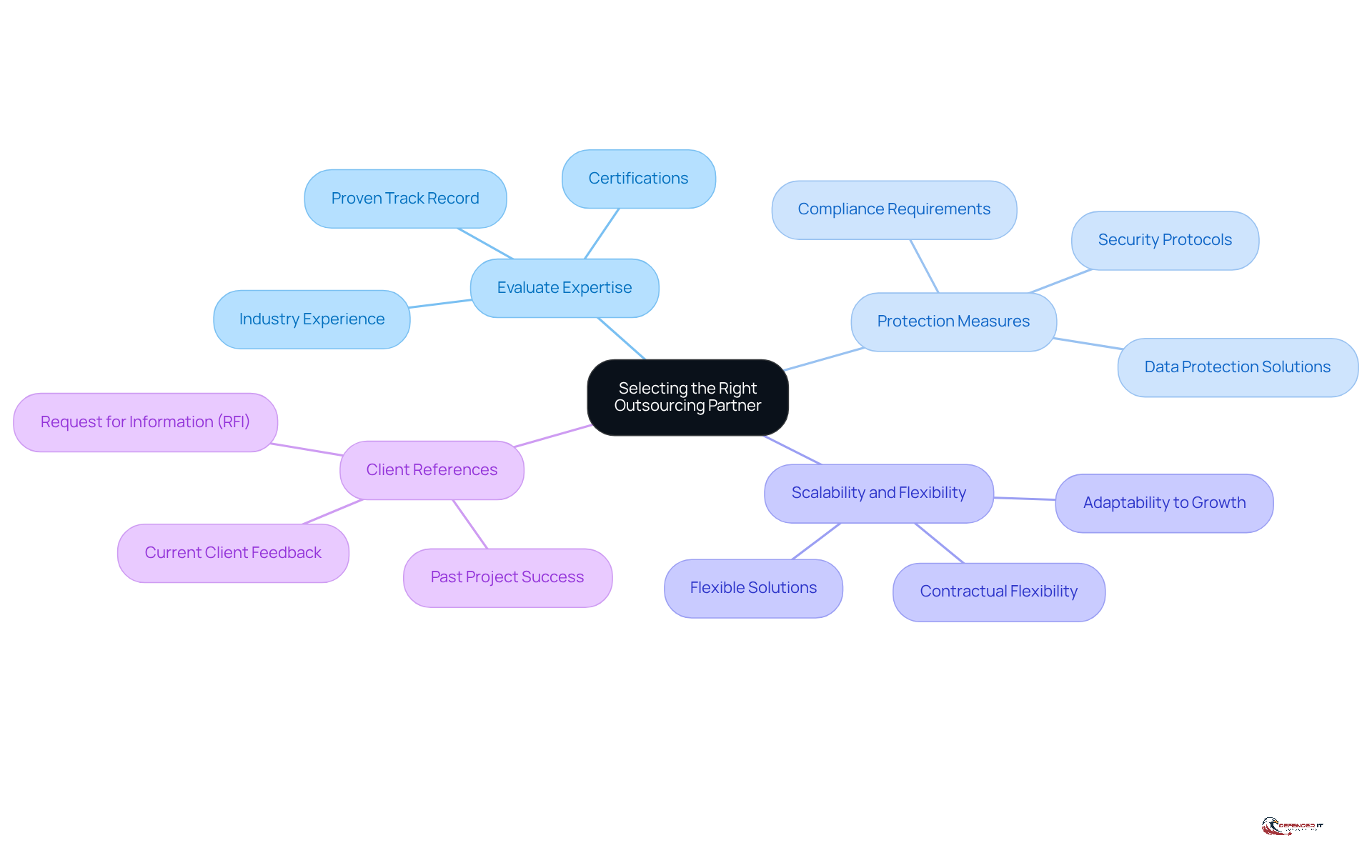
- Evaluate Expertise: Assess the potential partner’s expertise in managing data centers, particularly in the manufacturing sector. Look for certifications and a proven track record of successful projects, as these indicators reflect their capability to meet your specific needs.
- Protection Measures: Inquire about the protection measures the partner has in place, ensuring they align with your organization’s protection protocols and compliance requirements. This is especially crucial considering the rising threats of breaches and the necessity for compliance with protection standards.
- Scalability and Flexibility: Ensure the partner can accommodate your organization’s growth and changing needs. A versatile partner ought to provide scalable solutions for data center outsourcing that can adjust to the rising need for center space, which is anticipated to grow by 10% annually until 2030, without jeopardizing protection or performance.
- Client References: Request references from current or past clients to gauge the partner’s reliability and performance. Employing a Request for Information (RFI) can assist in collecting high-level information from a broad range of vendors, offering a systematic method for assessing client references and operational capabilities.
Failing to make an informed choice could expose your organization to significant risks, undermining your competitive advantage in the market.
Define Clear Service Level Agreements (SLAs)
Establishing clear performance level agreements (SLAs) is essential for successful center outsourcing. Key components to include are:
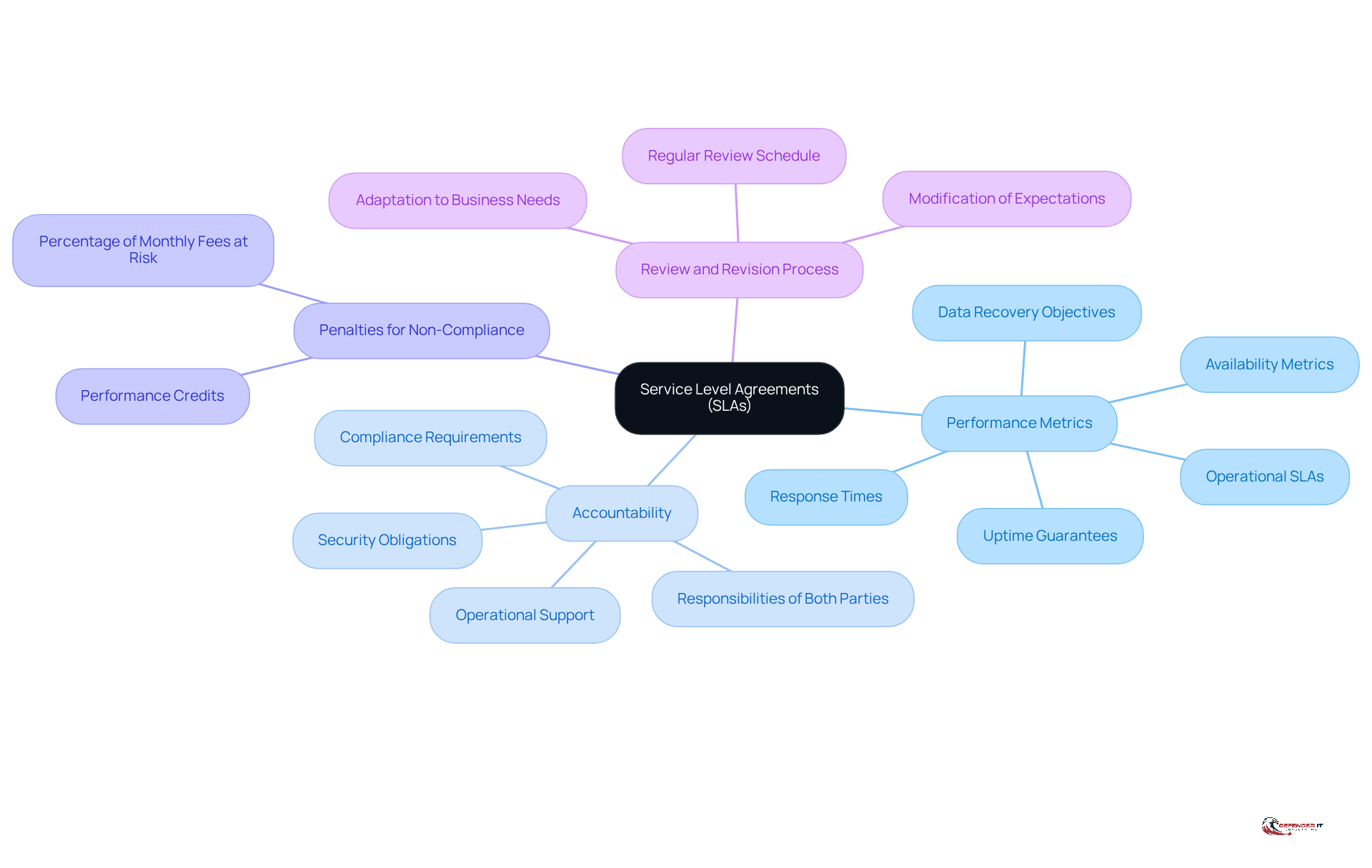
- Performance Metrics: Define specific performance metrics such as uptime guarantees, response times, and data recovery objectives. These metrics establish clear expectations for delivery and should be easily measurable, ideally through automated systems. For example, availability metrics measure the amount of time an offering is operational, while operational SLAs define performance related to daily operations, including uptime and maintenance scheduling.
- Accountability: Clearly outline the responsibilities of both parties within the SLA. This includes the obligations of the outsourcing partner regarding security, compliance, and operational support. Accountability is essential, as it guarantees that both the client and the provider comprehend their roles in upholding quality.
- Penalties for Non-Compliance: Incorporate penalties for failing to meet agreed-upon performance levels. These penalties, commonly known as performance credits, encourage the outsourcing partner to comply with the terms of the agreement. Typically, a certain percentage of monthly fees, equal to the vendor’s profit margin, is put ‘at risk’ to encourage performance.
- Review and Revision Process: Establish a systematic process for regularly reviewing and revising the SLA to ensure it remains relevant as business needs evolve. This is especially crucial in dynamic environments where changes in technology or business strategy may require modifications to expectations.
Defining clear SLAs fosters transparency with outsourcing partners, enhancing accountability and alignment with business objectives. Additionally, recognizing the various types of SLAs can further enhance the effectiveness of outsourcing relationships.
Conclusion
Effective data center outsourcing practices are essential for manufacturing organizations aiming to enhance operational efficiency and secure sensitive information. Organizations can significantly enhance their performance by implementing robust security protocols, ensuring compliance with industry regulations, selecting reliable outsourcing partners, and establishing clear service level agreements.
Key strategies discussed include:
- Implementing multi-layered security measures to protect sensitive data
- Understanding and adhering to relevant compliance requirements
- Choosing outsourcing partners with proven expertise and reliability
- Defining clear SLAs to ensure accountability and set performance expectations
These best practices are crucial for protecting data integrity, building client trust, and achieving operational excellence. Proactively adopting these strategies not only addresses current challenges but also positions organizations for success in an increasingly complex data landscape.
Frequently Asked Questions
Why is it important to establish robust security protocols for data center outsourcing?
Establishing robust security protocols is critical to protect sensitive data from unauthorized access and prevent data breaches, which are increasingly common.
What are the key components of multi-layered security?
Multi-layered security includes implementing firewalls, intrusion detection systems, and encryption to safeguard sensitive data.
How often should safety audits be performed?
Routine safety audits should be performed regularly to identify vulnerabilities and ensure compliance with industry standards.
What is the purpose of access control in data security?
Access control measures ensure that only authorized personnel can access sensitive data and systems, enhancing overall protection.
What should be included in an incident response plan?
An incident response plan should outline procedures for addressing breaches, including communication strategies, containment measures, and recovery processes.
How can commitment to security measures impact data protection?
A strong commitment to security measures can significantly reduce the risk of data breaches and protect sensitive information from potential threats.
List of Sources
- Understand Industry-Specific Compliance Requirements
- IT Compliance in 2026: The Regulations You Can’t Afford to Ignore (https://primesecured.com/it-compliance-key-regulations-2026)
- colligo.com (https://colligo.com/cost-of-non-compliance)
- Select the Right Outsourcing Partner
- Define Clear Service Level Agreements (SLAs)