General
Master Unclassified CUI Marking: A Step-by-Step Guide for Compliance
Published February 20, 2026
Introduction
Understanding the complexities of Controlled Unclassified Information (CUI) is essential for organizations that seek to protect sensitive data while adhering to federal regulations. The evolving landscape of information security underscores the necessity of mastering CUI marking. Alarmingly, 78% of organizations remain unaware of the CUI requirements, highlighting a significant knowledge gap. This guide outlines the critical steps for effectively marking CUI, emphasizing the risks associated with noncompliance and the substantial benefits of proper training and procedures.
How can organizations effectively bridge this knowledge gap to ensure they are prepared to manage CUI in a manner that safeguards both their interests and their reputation?
Understand Controlled Unclassified Information (CUI)
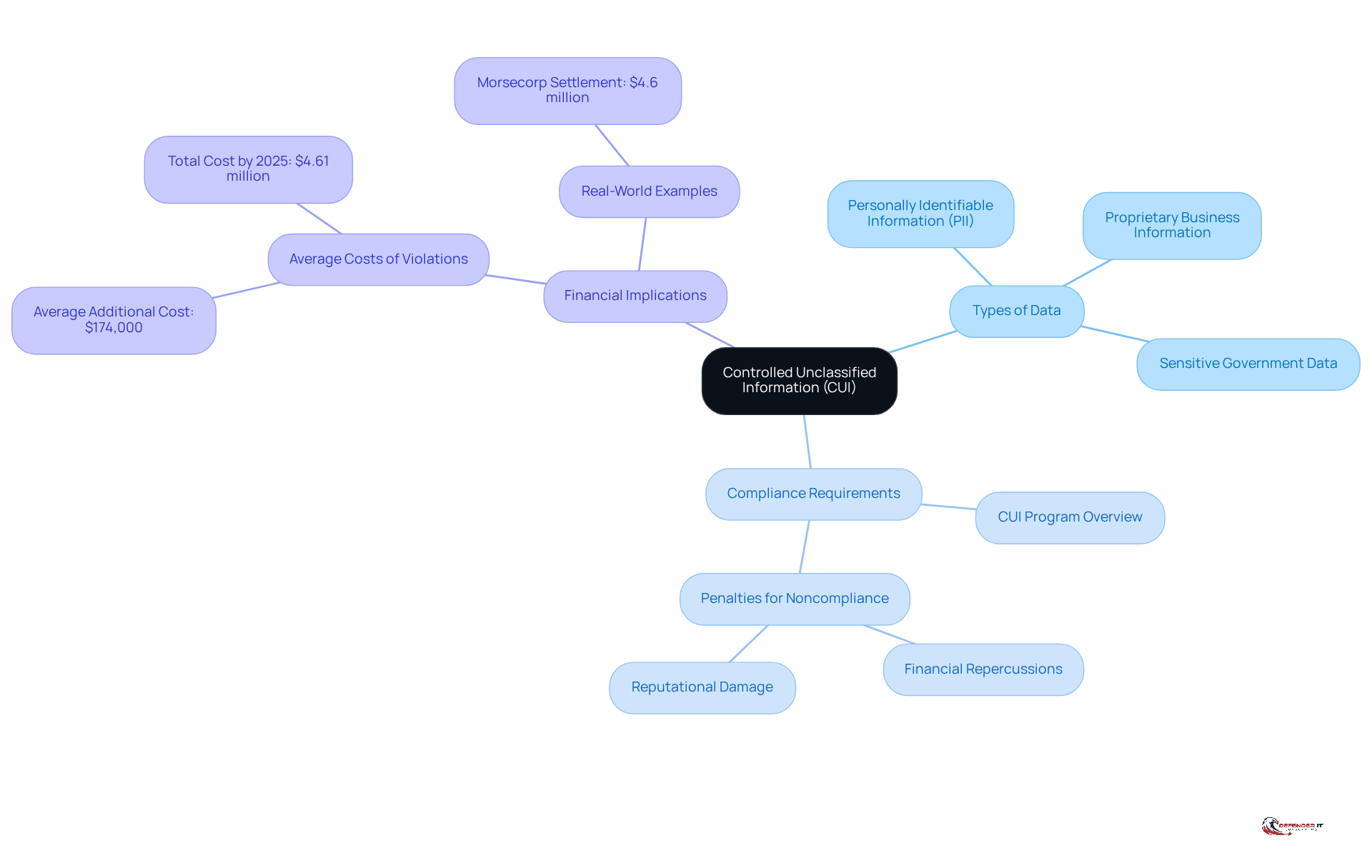
is sensitive material created or possessed by the U.S. government that requires but does not meet the criteria for classification. Understanding CUI is essential for organizations managing such data, as it ensures and protects against unauthorized access. CUI encompasses various types of data, including:
- Personally identifiable information (PII)
- Proprietary business information
- Sensitive government data
Familiarity with the and its requirements is the first step toward effective compliance.
As of 2026, only 22% of organizations report being fully aware of , indicating a significant gap in readiness. The , established by Executive Order 13556, delineates the regulations governing the handling of this information, including FAR 52.204-XX. Organizations must accurately identify and mark information with to ensure compliance; failure to do so can result in severe penalties, including .
Experts emphasize the importance of , noting that violations related to noncompliance can incur an average additional cost of $174,000, totaling $4.61 million by 2025. Real-world examples highlight the consequences of inadequate CUI protection; for instance, Morsecorp faced a $4.6 million settlement for failing to implement required cybersecurity controls, underscoring the financial risks associated with noncompliance. As Anna Fitzgerald, a Senior Content Marketing Manager, states, “” By prioritizing the safeguarding of CUI, organizations can not only meet regulatory requirements but also enhance their overall security posture.
Identify Types of CUI: Basic vs. Specified
into two primary types: CUI Basic and CUI Specified. Each category has distinct safeguarding requirements that are essential for compliance and effective data management.
CUI Basic:
but does not necessitate additional controls. Common examples include general business information and specific categories of government data, such as financial records and technical drawings that do not fall under stricter regulations.
CUI Specified:
Conversely, due to specific laws or regulations. This category may include export-controlled data, sensitive health information, and related to defense contracts.
Why It Matters:
Proper classification of CUI is critical; . For instance, entities that mistakenly classify sensitive data as CUI Basic instead of CUI Specified may overlook essential security measures, thereby increasing their risk exposure. Recent reports indicate that adherence rates for CUI Basic hover around 70%, while adherence for CUI Specified remains lower, underscoring the need for enhanced understanding and training.
Industry leaders emphasize that misclassifying CUI can have serious repercussions, affecting not only but also the overall security posture of an organization. Katie Dodson notes, “The Proposed Rule requires that employees who will process, store, or transmit CUI complete at least basic ,” highlighting the importance of training in recognizing and managing CUI appropriately. Ensuring that staff are well-educated in identifying and handling CUI correctly is vital for maintaining and protecting confidential data.

Implement CUI Marking Procedures
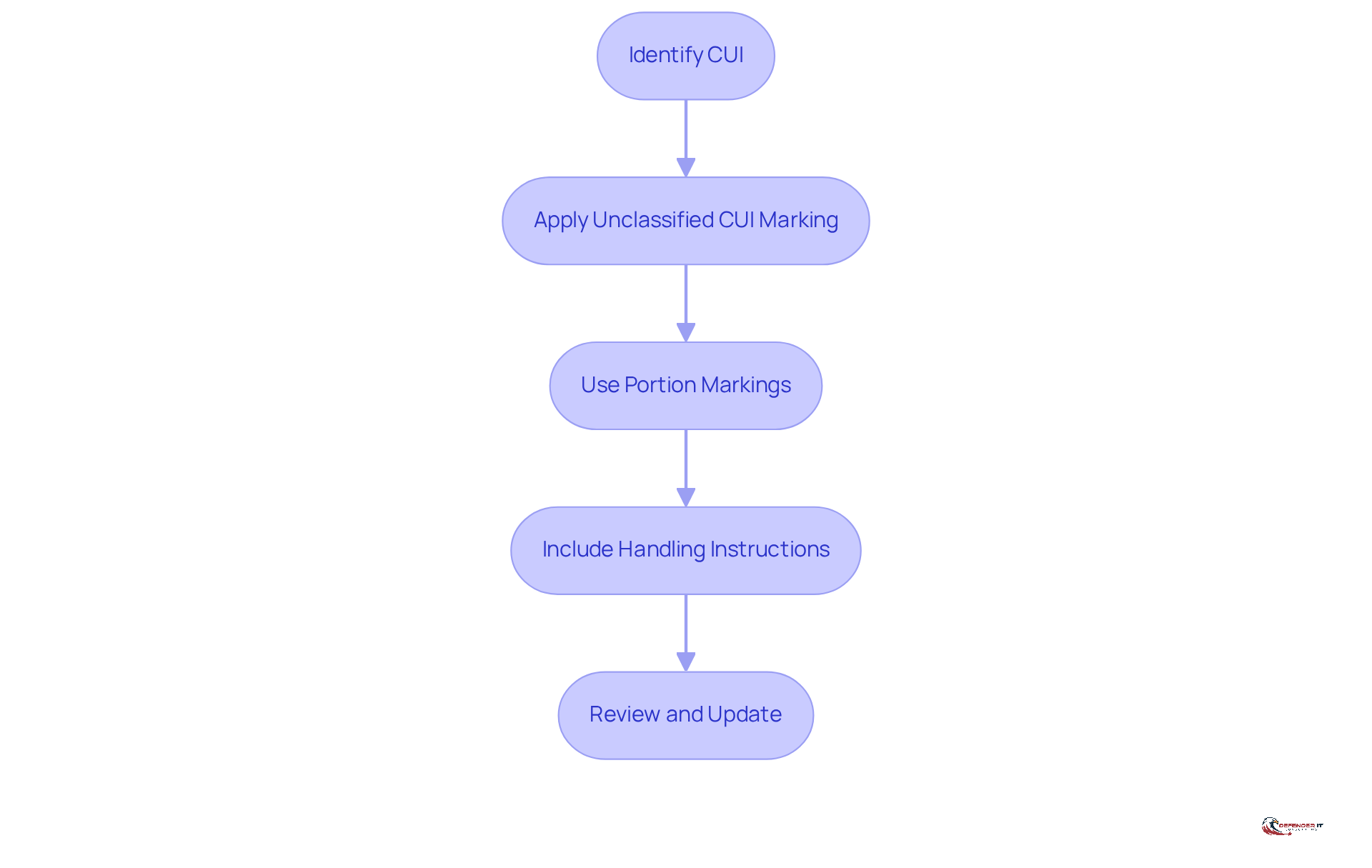
To ensure compliance with , organizations must implement effective procedures for unclassified . The following steps outline the necessary actions:
- Identify CUI: Determine which information qualifies as based on the definitions provided by the CUI program.
- Apply : Use the required markings, including the acronym ‘CUI’ at the top and bottom of each page, along with an unclassified indicator on the first page.
- Use Portion Markings: For documents containing multiple sections, apply portion markings to indicate which parts contain CUI.
- Include : Clearly state any dissemination controls or associated with the CUI.
- Review and Update: Regularly examine and refresh to ensure compliance with any changes in regulations or organizational policies.
:
- Train staff on to ensure consistency and compliance across the organization.
Train Staff on CUI Marking and Handling
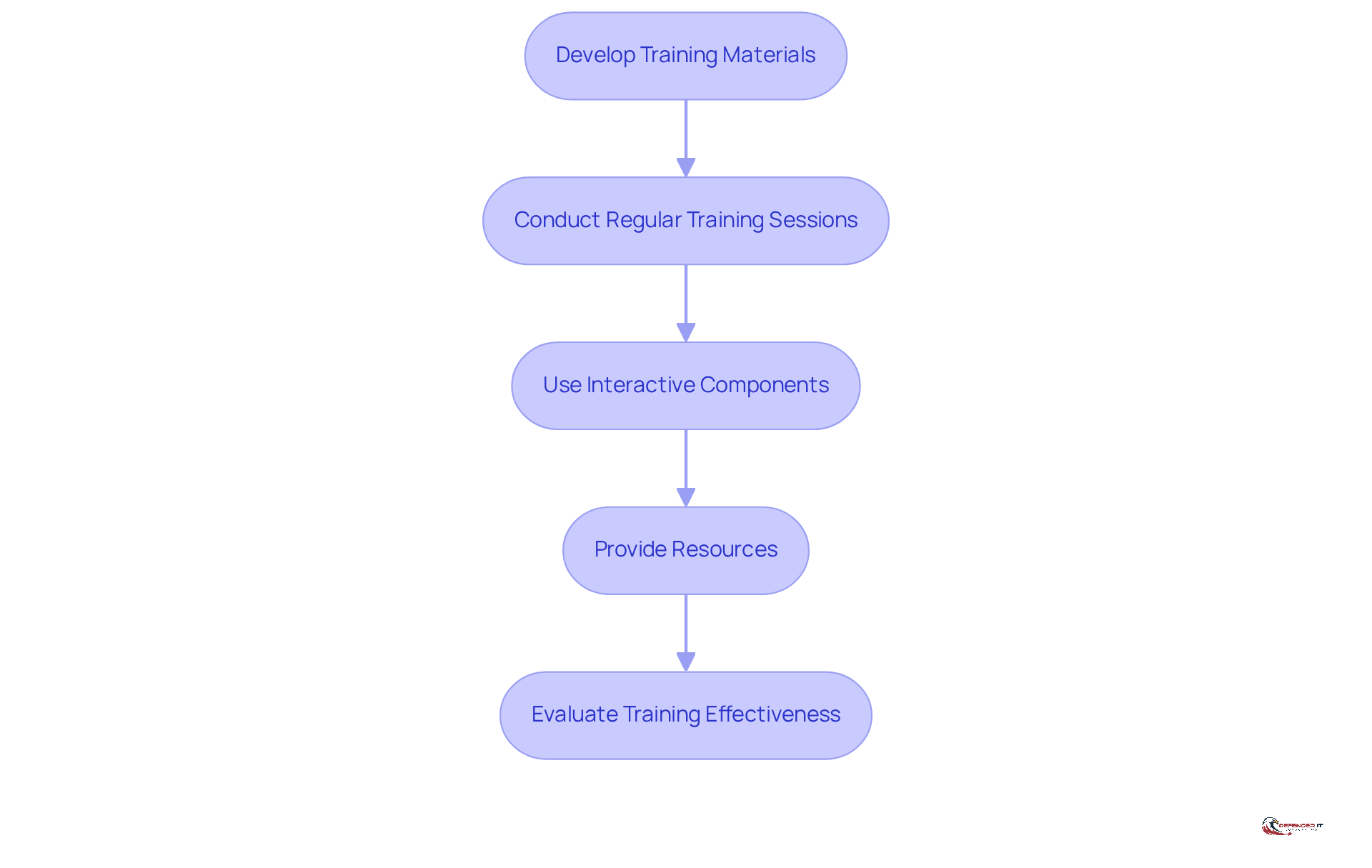
Training is essential for ensuring adherence to . To effectively train your staff, consider the following steps:
- Develop Training Materials: Create comprehensive training materials that encompass definitions, types, and marking procedures for CUI, including the .
- Conduct Regular Training Sessions: Schedule training sessions for all employees, ensuring that new hires receive training as part of their onboarding process.
- Use Interactive Components: Incorporate quizzes or interactive elements to engage employees and reinforce their learning.
- Provide Resources: Offer access to resources such as the CUI Marking Handbook and other relevant materials for ongoing reference.
- Evaluate Training Effectiveness: Regularly assess the effectiveness of training programs through feedback and adherence audits.
Engagement Tip:
Encourage employees to ask questions and share experiences related to . This practice fosters a culture of compliance and enhances security awareness.
Conclusion
Mastering the marking of Controlled Unclassified Information (CUI) is not just a regulatory obligation; it is a vital step in safeguarding sensitive data. Organizations that prioritize understanding and implementing CUI marking procedures can significantly enhance their compliance posture while mitigating potential financial and reputational risks. By acknowledging the importance of CUI, companies can navigate the complexities of federal regulations more effectively, ensuring that sensitive information remains secure.
This guide has shared essential insights, including:
- The definition of CUI
- The distinction between CUI Basic and CUI Specified
- The necessary steps for proper marking procedures
The importance of training staff on these topics has been underscored, as a well-informed workforce is crucial for maintaining compliance and protecting sensitive data. The financial implications of noncompliance, illustrated through real-world examples, serve as a stark reminder of the stakes involved in mishandling CUI.
Ultimately, the responsibility for managing CUI rests with every organization that handles sensitive information. By taking proactive steps to implement effective marking procedures and ensuring comprehensive training, organizations not only comply with federal regulations but also cultivate a culture of security and trust. Embracing these practices is essential for any entity aiming to thrive in an increasingly complex information landscape.
Frequently Asked Questions
What is Controlled Unclassified Information (CUI)?
Controlled Unclassified Information (CUI) is sensitive material created or possessed by the U.S. government that requires safeguarding or dissemination controls but does not meet the criteria for classification.
Why is understanding CUI important for organizations?
Understanding CUI is essential for organizations managing such data as it ensures compliance with federal regulations and protects against unauthorized access.
What types of data are classified as CUI?
CUI encompasses various types of data, including personally identifiable information (PII), proprietary business information, and sensitive government data.
What is the CUI Program and its significance?
The CUI Program, established by Executive Order 13556, delineates the regulations governing the handling of CUI, ensuring organizations comply with federal requirements.
What are the consequences of failing to comply with CUI regulations?
Failure to comply can result in severe penalties, including financial repercussions averaging $174,000 per violation, and reputational damage to the organization.
What are some real-world examples of noncompliance with CUI regulations?
An example includes Morsecorp, which faced a $4.6 million settlement for failing to implement required cybersecurity controls, highlighting the financial risks associated with inadequate CUI protection.
What is the current awareness level of organizations regarding CUI requirements?
As of 2026, only 22% of organizations report being fully aware of CUI requirements, indicating a significant gap in readiness.
How can organizations enhance their security posture regarding CUI?
By prioritizing the safeguarding of CUI, organizations can meet regulatory requirements and enhance their overall security posture, which is recognized as vital for achieving business goals and driving growth.
List of Sources
- Understand Controlled Unclassified Information (CUI)
- Proposed Rule Would Impose Government-Wide Controlled Unclassified Information (CUI) Handling Requirements – ConsensusDocs (https://consensusdocs.org/news/proposed-rule-would-impose-government-wide-controlled-unclassified-information-cui-handling-requirements)
- CDI-CUI-CTI Case Studies | Sharetru (https://sharetru.com/safeguarding-cdi-cui-cti-case-studies?hsCtaAttrib=171515145628)
- A Quiet Policy Shift Just Redefined Entire Federal Cybersecurity Landscape (https://forbes.com/sites/emilsayegh/2026/02/07/a-quiet-policy-shift-just-redefined-entire-federal-cybersecurity-landscape)
- 130+ Compliance Statistics & Trends to Know for 2026 (https://secureframe.com/blog/compliance-statistics)
- Controlled Unclassified Information (CUI)/Cybersecurity Maturity Model Certification (CMMC) | Computer Systems Center Incorporated (https://csci-va.com/case-study-post/new-case-study-2)
- Identify Types of CUI: Basic vs. Specified
- What is CUI: Controlled Unclassified Information – govmates (https://govmates.com/what-is-cui)
- Government Proposes New CUI Rules for all Federal Contractors (https://hivesystems.com/blog/cuiproposedrule)
- CUI: The Complete Guide to Controlled Unclassified Information (https://summit7.us/cui)
- What’s the difference between CUI Basic And CUI Specified? (https://kelsercorp.com/blog/difference-cui-basic-cui-specified)
- GSA Introduces a New Framework for Protecting CUI in Contractor Systems (https://natlawreview.com/article/gsa-introduces-new-framework-protecting-cui-contractor-systems)
- Implement CUI Marking Procedures
- Controlled Unclassified Information (CUI) (https://gsa.gov/reference/controlled-unclassified-information)
- What Is CUI? Definition, Examples, and How to Manage It (https://hyperproof.io/resource/what-is-cui)
- A Practical Guide to Marking Controlled Unclassified Information (CUI Marking) (https://secureframe.com/blog/cui-marking)