Business
Master Deep and Dark Web Monitoring: 4 Best Practices for Security Leaders
Published January 23, 2026
Introduction
Deep and dark web monitoring has become a crucial aspect in the fight against cyber threats, exposing a concealed environment where sensitive data is exchanged and vulnerabilities are exploited. For security leaders, mastering this intricate domain is essential not only for comprehending its complexities but also for implementing effective strategies that can protect organizations from severe breaches.
To navigate this shadowy realm successfully, what strategies can be employed, and how can organizations ensure they remain ahead of the ever-evolving threats?
Understand Deep and Dark Web Monitoring Fundamentals
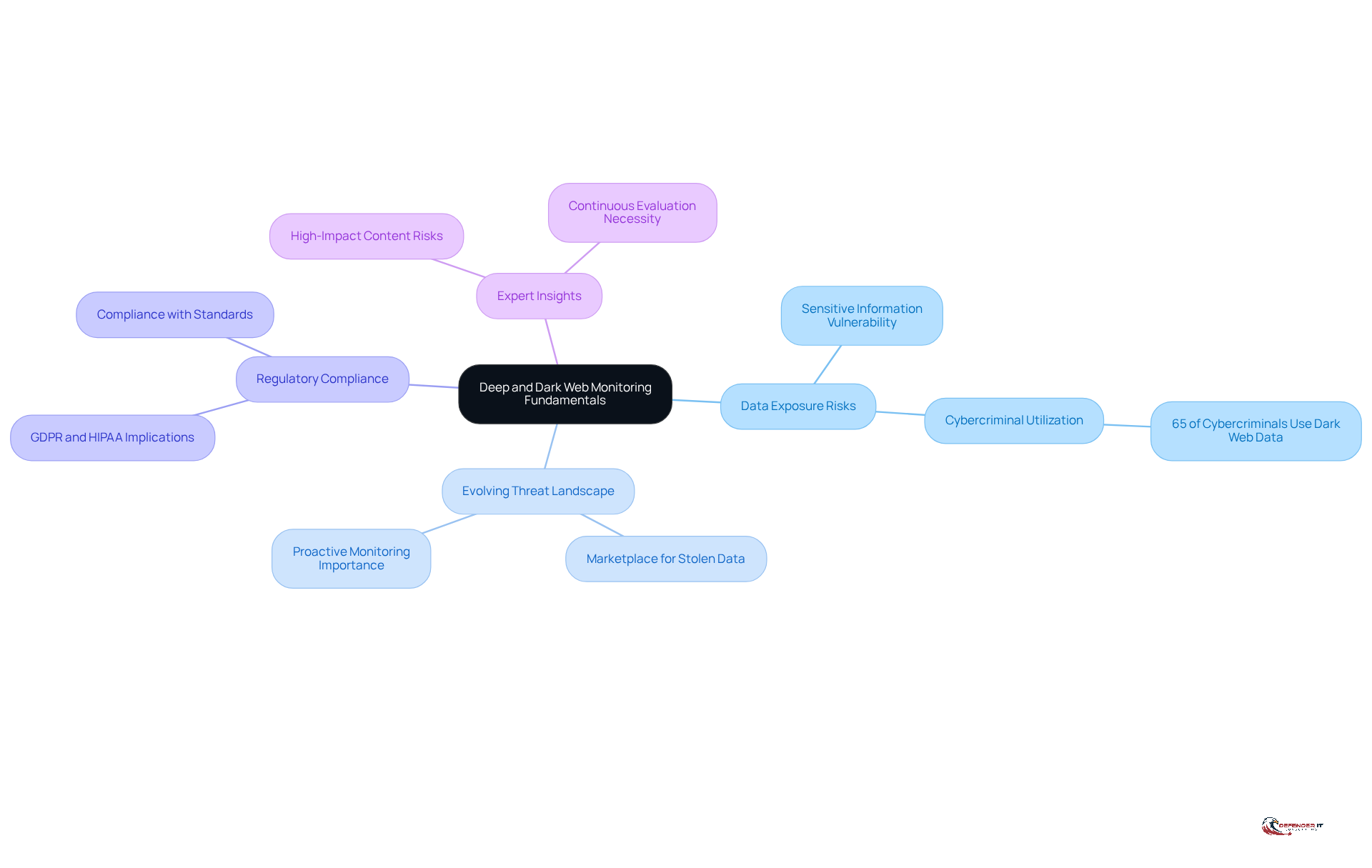
Deep and dark web monitoring is essential for tracking activities and data that lie beyond the reach of standard search engines. The deep web encompasses all areas of the internet not indexed by conventional search engines, while the hidden web is a particular subset accessible only through specialized software like Tor. Understanding these distinctions is crucial for security leaders aiming to safeguard their organizations against emerging threats.
Key considerations include:
-
Data Exposure Risks: Organizations must recognize the types of data vulnerable to exposure on these platforms. Sensitive information, such as personal identification details and corporate credentials, can be sold or traded by cybercriminals, leading to severe repercussions. Notably, 65% of cybercriminals employ underworld web information to carry out attacks, underscoring the importance of careful oversight.
-
Evolving Threat Landscape: The underworld serves as a marketplace for stolen data, hacking tools, and illicit services. Continuous monitoring of these activities, including deep and dark web monitoring, is vital for security teams to proactively address potential breaches before they escalate. As Mohammed Khalil, a cybersecurity architect, states, ‘Organizations should take a multi-pronged approach, which includes deep and dark web monitoring.’
-
Regulatory Compliance: Industries such as finance and healthcare face stringent regulations like GDPR and HIPAA. Grasping the implications of data exposure on the illicit web is essential for ensuring compliance and evading substantial penalties.
-
Expert Insights: Cybersecurity specialists highlight that the concealed web, although limited in size, holds high-impact content that presents considerable risks. Consistent evaluation and proactive measures are necessary to mitigate these threats effectively.
Real-world examples demonstrate the dangers of data exposure on the illicit web. For instance, compromised corporate credentials can fetch thousands of dollars, highlighting the financial stakes involved. As the underground economy continues to flourish, organizations must prioritize deep web oversight to protect sensitive data and maintain their security posture in 2026.
Implement Effective Monitoring Strategies
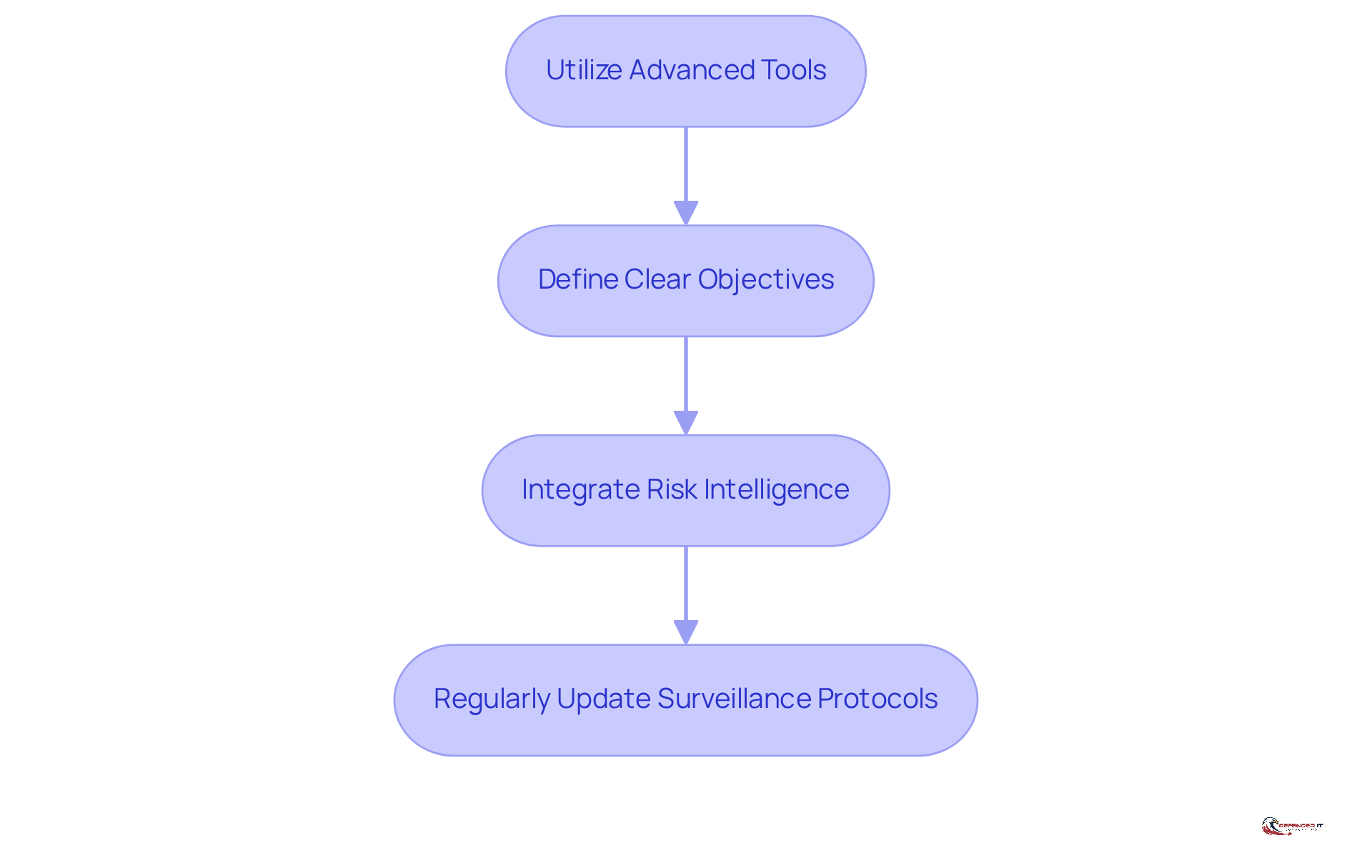
To effectively monitor the deep and dark web, security leaders should adopt the following strategies:
-
Utilize advanced tools: Investing in specialized tools for deep and dark web monitoring is essential. These tools can automate the scanning process for deep and dark web monitoring and provide real-time alerts for any compromised data.
-
Define clear objectives: It is crucial to establish specific data or risks to observe, such as employee credentials or proprietary information. This focus allows for tailored observation efforts that enhance effectiveness.
-
Integrate risk intelligence: Incorporating risk intelligence streams can offer valuable insights into emerging dangers and vulnerabilities. This integration significantly improves surveillance capabilities.
-
Regularly update surveillance protocols: Given the constantly evolving threat landscape, regularly reviewing and updating surveillance strategies is vital. This adaptability ensures that organizations remain prepared for new risks.
Integrate Monitoring with Cybersecurity Frameworks
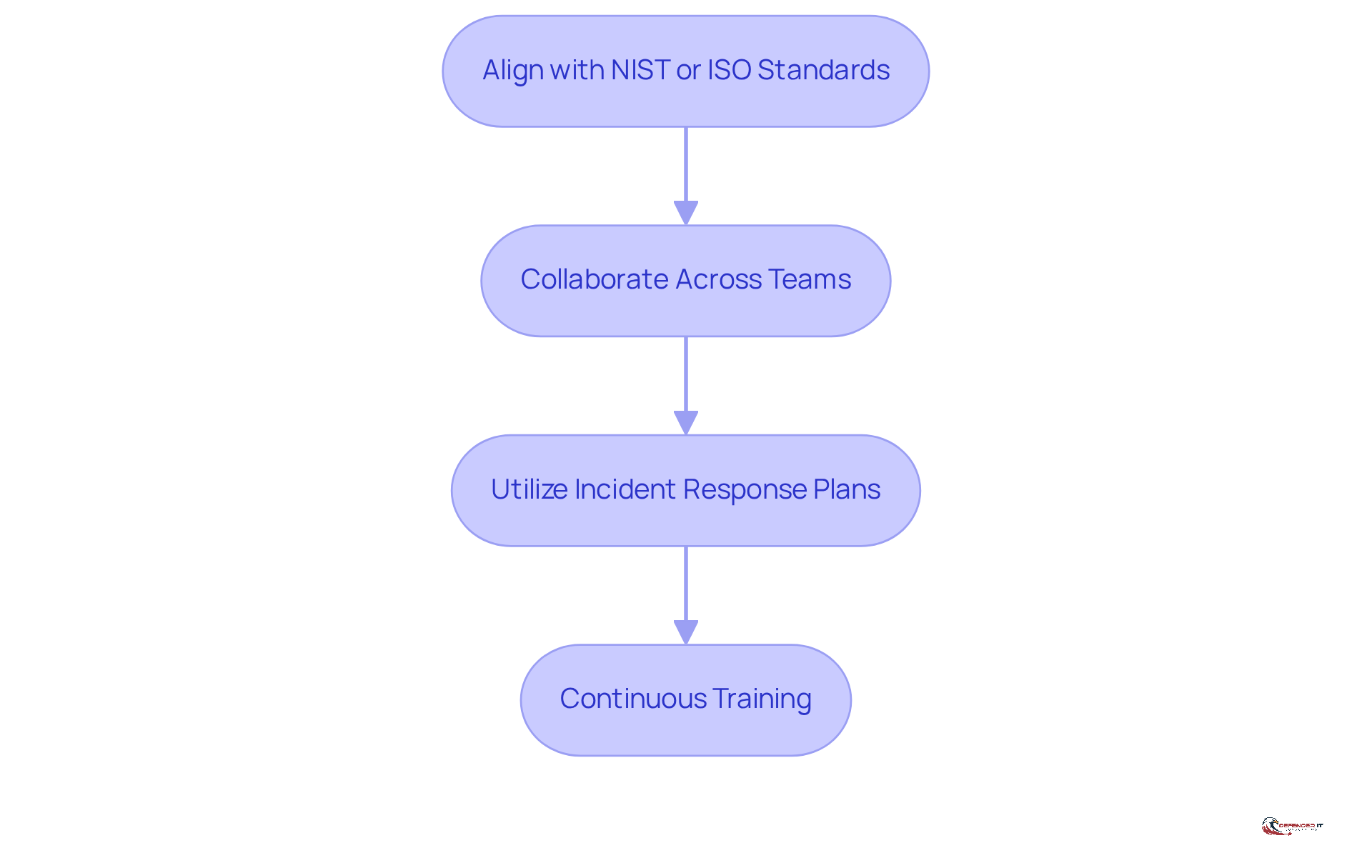
Incorporating oversight of the deep and dark web into your existing cybersecurity frameworks significantly enhances your organization’s security posture. To achieve this, consider the following essential steps:
-
Align with NIST or ISO Standards: Ensure that your monitoring practices are in line with established cybersecurity frameworks such as NIST or ISO 27001. These frameworks provide comprehensive guidelines for risk management and incident response, which are crucial for effective oversight.
-
Collaborate Across Teams: Encourage collaboration among IT, compliance, and risk management teams. This collaboration ensures that oversight efforts are thorough and address all potential vulnerabilities, thereby reducing the likelihood of oversight.
-
Utilize Incident Response Plans: Integrate insights gained from deep and dark web monitoring into your incident response strategies. This integration facilitates quicker and more effective responses to potential breaches, minimizing damage and recovery time.
-
Continuous Training: Offer ongoing training for your security team on the latest risks identified through monitoring. This preparation is vital, especially considering that organizations with leaked credentials on the hidden web are 2.5 times more likely to experience a breach.
By adopting these practices, organizations can not only enhance their cybersecurity strategies but also align with best practices that are increasingly recognized as essential in today’s risk landscape.
Continuously Evaluate and Adapt Monitoring Practices
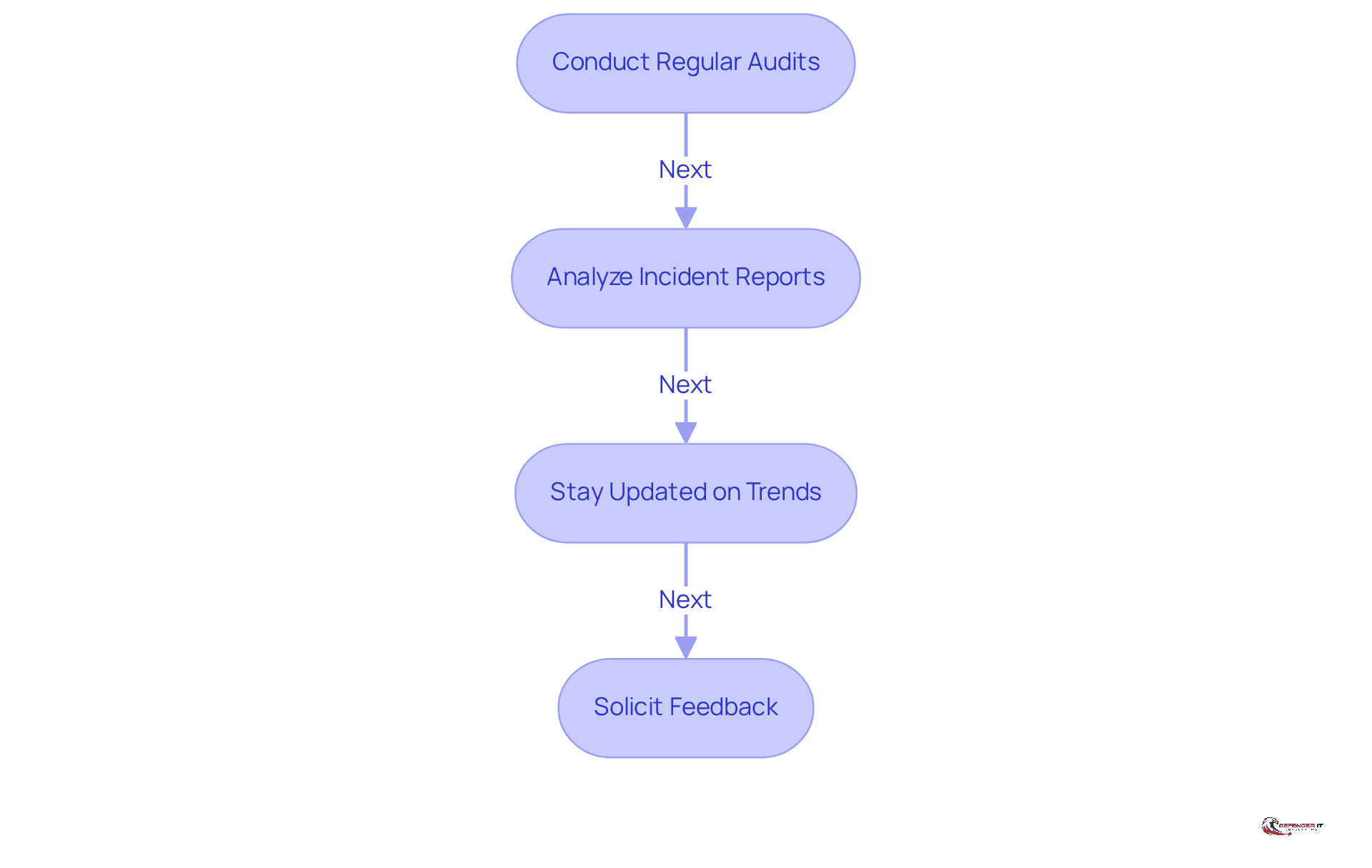
To ensure the effectiveness of deep and dark web monitoring, security leaders should take several key actions:
-
Conduct Regular Audits: Periodically reviewing monitoring processes and tools is essential for identifying areas for improvement and ensuring alignment with organizational goals. Regular audits assist organizations in upholding compliance and adapting to evolving threats. Notably, 72% of organizations report that their risk capabilities have not evolved alongside the changing environment, underscoring the necessity for consistent assessment of oversight practices.
-
Analyze Incident Reports: Reviewing past incidents is crucial for understanding how threats were detected and responded to. Organizations that examine incident reports can significantly enhance their oversight strategies. For instance, 64% of companies indicate improved visibility into risks due to technology investments, illustrating how effective analysis can yield actionable insights that bolster oversight practices and reduce the likelihood of future breaches.
-
Stay Updated on Trends: Remaining aware of the latest developments in dark web activities and cyber risks is vital for adjusting deep and dark web monitoring practices. With the rise of generative AI and sophisticated phishing attacks, security leaders must continuously refine their strategies to effectively counter these evolving threats.
-
Solicit Feedback: Engaging with the security team to gather feedback on the effectiveness of current oversight practices is essential. This collaborative approach ensures that adjustments are informed by real-world insights, fostering a culture of continuous improvement in cybersecurity monitoring.
Conclusion
Deep and dark web monitoring is essential for a robust cybersecurity strategy. Understanding the unique challenges these hidden parts of the internet present allows security leaders to better shield their organizations from the numerous threats that exist in the shadows. The significance of vigilance in this domain cannot be overstated; proactive measures can greatly reduce risks related to data exposure and cybercrime.
Key insights from this discussion underscore the necessity of implementing effective monitoring strategies. This includes:
- Utilizing advanced tools
- Defining clear objectives
- Integrating risk intelligence
Regular audits and ongoing evaluation of monitoring practices ensure that organizations remain agile in the face of evolving threats. Furthermore, collaboration across teams and alignment with established cybersecurity frameworks enhance the overall security posture, making it crucial for organizations to adopt these best practices.
Ultimately, the commitment to deep and dark web monitoring transcends mere compliance or risk management; it fosters a culture of security awareness and resilience. As the digital landscape evolves, organizations must prioritize these monitoring efforts to protect sensitive data, uphold their reputations, and maintain trust with stakeholders. Taking decisive action today will pave the way for a more secure tomorrow in the increasingly complex realm of cybersecurity.
Frequently Asked Questions
What is the difference between the deep web and the dark web?
The deep web includes all areas of the internet that are not indexed by standard search engines, while the dark web is a specific subset of the deep web that is accessible only through specialized software like Tor.
Why is deep and dark web monitoring important for organizations?
Deep and dark web monitoring is crucial for organizations to track activities and data that may expose sensitive information to cybercriminals, helping to prevent potential data breaches and attacks.
What types of data are at risk on the deep and dark web?
Sensitive information such as personal identification details and corporate credentials are at risk of exposure on these platforms, which can be sold or traded by cybercriminals.
How prevalent is the use of underworld web information by cybercriminals?
Approximately 65% of cybercriminals utilize information from the underworld web to conduct attacks, highlighting the need for careful monitoring.
What challenges do industries like finance and healthcare face regarding data exposure?
Industries such as finance and healthcare must navigate stringent regulations like GDPR and HIPAA, making it essential to understand the implications of data exposure on the illicit web to ensure compliance and avoid penalties.
What do cybersecurity experts say about the risks associated with the concealed web?
Cybersecurity specialists emphasize that, despite its limited size, the concealed web contains high-impact content that poses significant risks, necessitating consistent evaluation and proactive measures.
Can you provide an example of the financial stakes involved in data exposure?
Compromised corporate credentials can be sold for thousands of dollars on the illicit web, underscoring the financial risks associated with data exposure.
What should organizations prioritize to protect sensitive data in the future?
Organizations should prioritize deep web oversight and continuous monitoring to safeguard sensitive data and maintain their security posture as the underground economy continues to grow.